
ACTIVE HALF-LIFE
4 hours
DOSAGE
24-48 mg/day
ACNE
No
WATER RETENTION
No
HBR
No
HEPATOTOXICITY
No
AROMATIZATION
No
MANUFACTURER
Abbott
WAREHOUSE
International Warehouse 2
SUBSTANCE
Betahistine Dihydrochloride
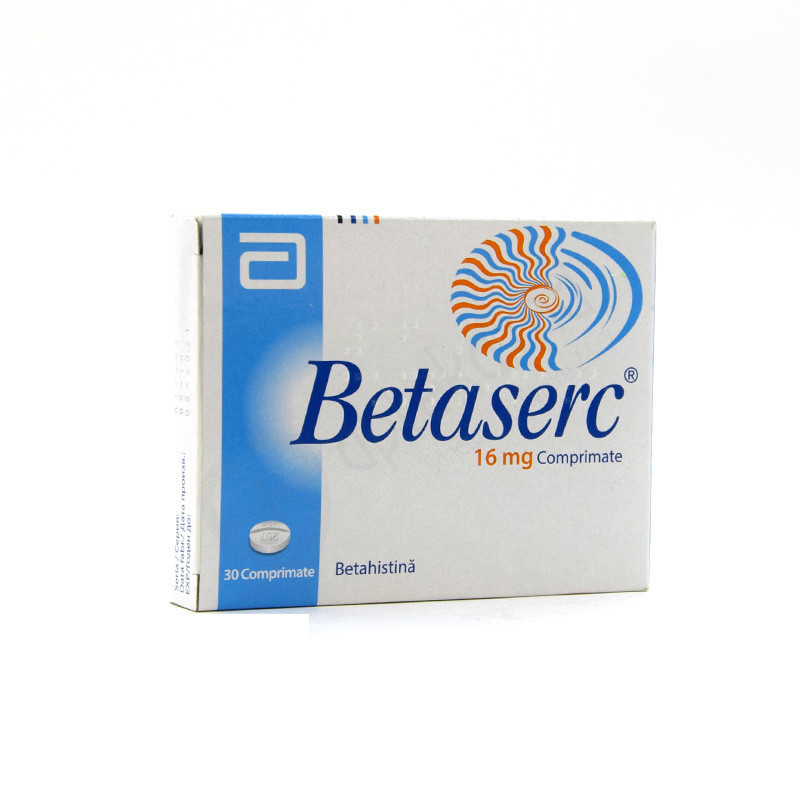
Introducing Betaserc, a powerful medication harnessing the benefits of betahistine, specifically formulated to combat vertigo. This condition, often marked by intense dizziness and a disorienting sensation of imbalance, can disrupt daily life. Betaserc works by enhancing cerebral blood flow?particularly to the inner ear?essential for maintaining equilibrium, effectively reducing those disconcerting dizzy spells.
Additionally, Betaserc is beneficial for individuals suffering from tinnitus (ringing in the ears) and Meniere?s disease (a disorder affecting the inner ear). While it significantly lessens the frequency and intensity of vertigo episodes, it is important to note that it may not entirely prevent them.
Precautions
Betaserc is not recommended for:
- Patients allergic to betahistine or similar medications.
- Individuals diagnosed with pheochromocytoma (adrenal gland tumor).
Those with asthma or gastric/duodenal ulcers should exercise caution when using this medication.
Use During Pregnancy and Breastfeeding
Betaserc may be prescribed during pregnancy only when the potential benefits to the mother outweigh any risks to the fetus, as there is limited information on its safety in this context. The transfer of betahistine into breast milk is unknown, so it is advisable to avoid breastfeeding while undergoing treatment.
How to Use
Available in various dosages:
- Betaserc 8 mg
- Betaserc 16 mg
- Betaserc 24 mg
The recommended starting dose is typically 8 mg taken three times daily, which may be adjusted up to 48 mg daily, depending on the therapeutic response. This medication is not intended for children under 18. For optimal effectiveness, swallow the tablets whole without chewing, and take them after meals to minimize gastrointestinal discomfort. Betaserc can be used for extended periods?ranging from 6 months to 1 year?as needed.
If dizziness persists, it's advisable to refrain from driving or operating heavy machinery. Additionally, lifestyle modifications?such as quitting smoking, maintaining a balanced diet, and engaging in physical activity?may enhance the effectiveness of your vertigo treatment.
Drug Interactions
Avoid combining Betaserc with the following medications:
- MAO inhibitors (for psychiatric conditions), including:
- moclobemide
- selegiline
- isocarboxazid
- phenelzine, among others.
- Antihistamines for allergies, such as:
- dimenhydrinate
- diphenhydramine
- cinnarizine
- cetirizine, etc.
Always inform your doctor about any other medications or herbal supplements you are taking.
Side Effects
Potential side effects of Betaserc may include:
- Nausea
- Vomiting
- Indigestion
- Abdominal discomfort
- Gas
- Headaches
- Low blood pressure
- Orthostatic hypotension (sudden drop in blood pressure upon standing)
- Allergic reactions, among others.
Be sure to report any side effects to your healthcare provider.
The information provided here is for educational purposes and should not be taken as medical advice, diagnosis, or treatment. For any health concerns or inquiries, consult with a healthcare professional.