
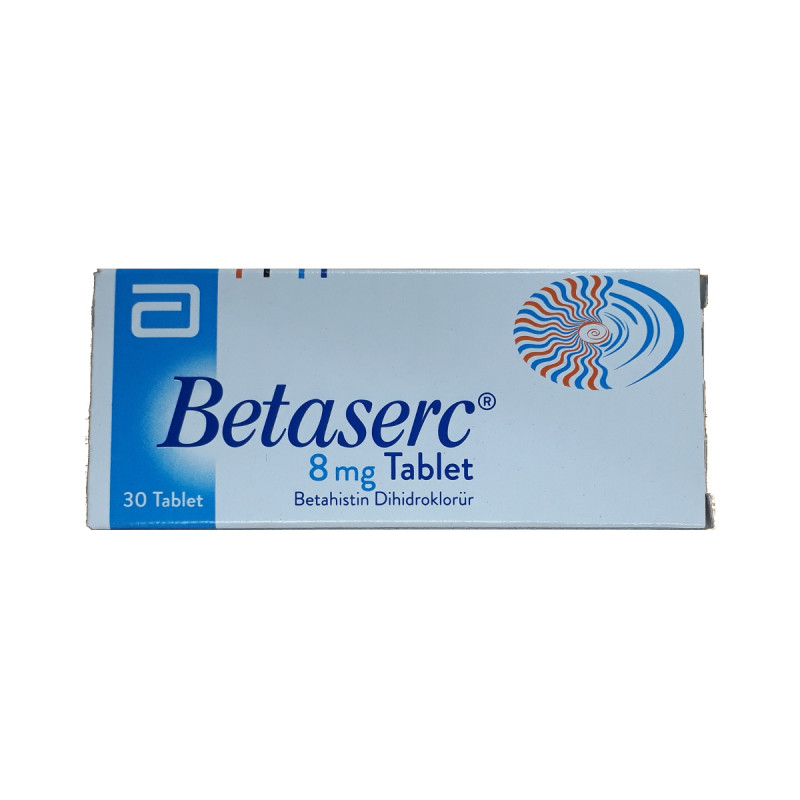
ACTIVE HALF-LIFE
4 hours
RECOMMENDED DOSAGE
24-48 mg/day
ACNE
No
WATER RETENTION
No
HBR
No
HEPATOTOXICITY
No
AROMATIZATION
No
MANUFACTURER
Abbott
WAREHOUSE
International Warehouse 2
ACTIVE INGREDIENT
Betahistine Dihydrochloride
Discover Betaserc, a powerful medication featuring betahistine as its active ingredient, expertly designed to combat vertigo?a condition that causes unsettling dizziness and a false sense of movement. By enhancing blood circulation to the brain and the inner ear, Betaserc effectively stabilizes balance, relieving you from those disorienting episodes.
In addition to vertigo, Betaserc is also beneficial for those dealing with tinnitus (ringing in the ears) and Meniere's disease?an inner ear disorder. While it can reduce the frequency and intensity of vertigo attacks, it may not eliminate them entirely.
Important PrecautionsBetaserc should be avoided in the following situations:
- For individuals allergic to betahistine or similar drugs.
- In cases of pheochromocytoma (a specific adrenal gland tumor).
Use caution when prescribing to patients with asthma or peptic ulcers (gastric or duodenal).
Pregnancy and Breastfeeding ConsiderationsBetaserc may only be prescribed during pregnancy if the potential benefits to the mother outweigh risks to the fetus, as safety data is limited. Its presence in breast milk is uncertain, so it's advisable to avoid breastfeeding while using Betaserc.
How to Use BetasercBetaserc is available in various dosages:
- Betaserc 8 mg,
- Betaserc 16 mg,
- Betaserc 24 mg.
The typical starting dose is 8 mg taken three times daily, which can be adjusted up to a maximum of 48 mg per day based on individual needs. This medication is not intended for children under 18 years of age. Swallow the tablets whole without chewing to maintain their effectiveness, and take them after meals to reduce the risk of gastrointestinal discomfort.
Betaserc can be used safely for extended periods (up to 6 months to a year). If dizziness persists, avoid driving or operating machinery. Healthcare professionals often recommend lifestyle changes?such as quitting smoking, eating healthily, and exercising regularly?to further support vertigo management.
Drug InteractionsBetaserc is not advised for use with the following medications:
- Psychiatric medications, particularly MAO inhibitors (monoamine oxidase inhibitors), such as:
- moclobemide,
- selegiline,
- isocarboxazid,
- phenelzine, among others.
- Antihistamines for allergies, including:
- dimenhydrinate,
- diphenhydramine,
- cinnarizine,
- cetirizine, and others.
Always inform your healthcare provider about any medications or herbal supplements you are currently taking.
Possible Side EffectsSome potential side effects of Betaserc include:
- Nausea,
- Vomiting,
- Indigestion,
- Abdominal pain,
- Gas,
- Headaches,
- Low blood pressure,
- Orthostatic hypotension (a sudden drop in blood pressure when standing),
- Allergic reactions, among others.
If you experience any side effects, please consult your doctor immediately.
Note: This information is intended for educational purposes only and should not replace professional medical advice. For any health concerns or questions, always seek guidance from a qualified healthcare professional.