
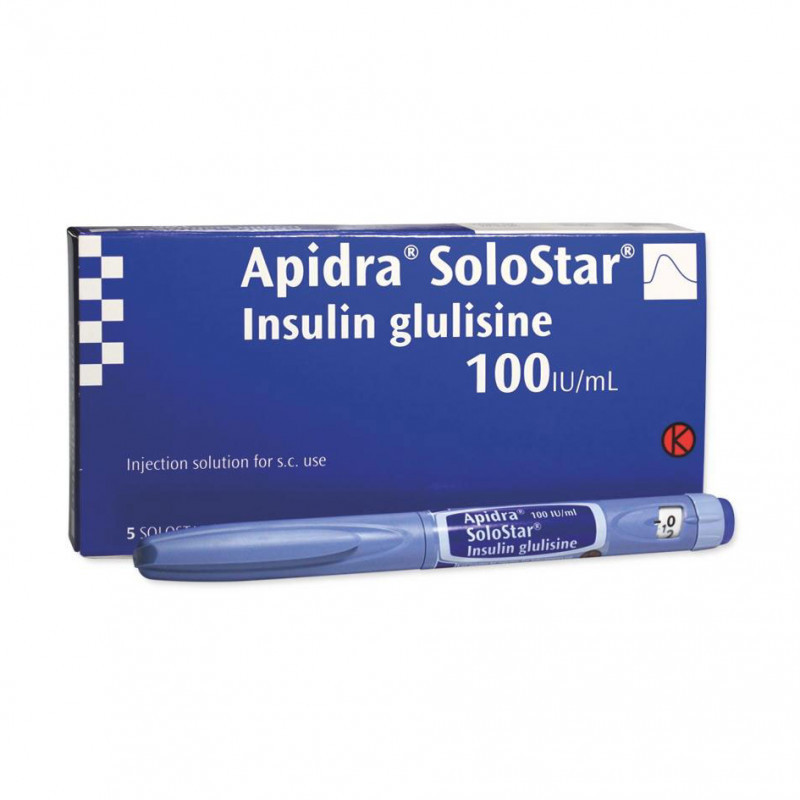
CLASSIFICATION
Hormone and Synthetic Substitute / Antidiabetic Agent
ACNE
No
WATER RETENTION
No
HBR
No
HEPATOTOXICITY
No
AROMATIZATION
No
MANUFACTURER
Sanofi
WAREHOUSE
International Warehouse 2
SUBSTANCE
Insulin Glulisine
Insulin is a powerful anabolic hormone that plays a crucial role in maintaining the health of all individuals. While it is naturally produced by the body, those with diabetes often rely on external insulin supplementation. Additionally, some athletes utilize insulin to enhance lean muscle mass development; however, this practice requires caution due to potential serious consequences from misuse.
Exogenous insulin has been available since the 1920s, initially sourced from the pancreases of dogs and later from cattle and pigs, despite concerns regarding purity. The lifesaving potential of insulin became widely recognized, especially for diabetes patients, where untreated conditions could be fatal. While early insulin products had impurities, advancements in the 1970s led to the creation of synthetic insulin, with Humulin-R, a synthetic version identical to human insulin, receiving FDA approval in 1982.
Insulin Functions & Characteristics:
As a peptide hormone produced by the pancreas, insulin is essential for regulating glucose, amino acids, and fatty acids. It prevents the breakdown of glycogen, fats, and proteins, ensuring proper metabolic function.
Individuals with diabetes may require insulin for two main types: Type I diabetes, characterized by the body?s inability to produce sufficient insulin, and Type II diabetes, where the body produces insulin but is unable to use it effectively, often linked to obesity.
Insulin stimulates the liver to convert glycogen into glucose while inhibiting the conversion of non-carbohydrates into glucose. It allows glucose to diffuse into cells, fostering muscle tissue growth. Higher insulin levels are associated with increased protein synthesis, improved bone density, and the production of Insulin-Like Growth Factor-1 (IGF), another potent anabolic hormone.
Moreover, insulin can elevate levels of Luteinizing Hormone (LH) and Follicle Stimulating Hormone (FSH), which may facilitate testosterone production, although the impact on these hormones is relatively modest.
Effects of Insulin:
For diabetes patients, insulin is vital for blood sugar regulation. Its strong anabolic and anti-catabolic properties can also benefit athletes. However, non-diabetic individuals using exogenous insulin risk significant body fat accumulation and potentially life-threatening situations if not used responsibly.
Despite these hazards, some athletes opt for insulin due to its anabolic benefits, emphasizing the importance of body fat management. Elevated insulin levels can hinder the body?s fat-burning capabilities, making strict dietary monitoring essential. Athletes often find that administering insulin post-intense weight training, combined with food intake, yields optimal results.
Insulin can lead to rapid gains in lean muscle mass, but maintaining body fat levels requires careful management. Combining insulin with anabolic steroids and Human Growth Hormone (HGH) is frequently recommended for enhanced performance and body fat control.
Side Effects of Insulin:
While insulin is beneficial, it can also induce side effects, particularly hypoglycemia, which poses risks in both diabetic and performance contexts. Diabetic patients can manage hypoglycemia with proper dosing, but athletes using insulin for enhancement face heightened risks. Symptoms of hypoglycemia include dizziness, hunger, drowsiness, blurred vision, and in severe cases, can lead to death.
In case of hypoglycemic symptoms, immediate consumption of fast-acting carbohydrates?such as candy, sugary drinks, or juice?is crucial. Additionally, avoiding sleep right after insulin administration is vital to prevent severe hypoglycemia during sleep, which can be life-threatening. It's recommended never to use insulin alone and to have someone present for safety.
Severe hypoglycemia can result in a diabetic coma and even death, marking it as a serious concern. Other potential side effects include allergic reactions at the injection site and localized fat accumulation, highlighting the need to rotate injection sites to prevent excessive fat buildup.
Insulin Administration:
Insulin dosage for diabetes management varies widely among individuals, as there is no one-size-fits-all approach. In performance enhancement, the type of insulin chosen will dictate the administration strategy.
A common performance-enhancing dosage is about 1 unit of insulin per 10 pounds of body weight. Beginners should start with lower doses and gradually increase to find a comfortable range. Signs of hypoglycemia may indicate excessive dosing, and many may not tolerate the full calculated dose.
The best time to administer insulin is post-weight training, followed by a substantial carbohydrate intake?at least 100g?within 15 minutes, along with around 40-50g of protein.
Keeping fast-acting carbohydrates on hand is essential in case hypoglycemic symptoms arise, and one should never inject insulin without these supplies nearby. Planning for subsequent meals after the initial post-injection intake is also recommended.
Insulin Reviews:
Insulin is a critical component of health and bodily function. While it can significantly enhance muscle growth as a performance aid, the associated risks?such as difficulty managing body fat and life-threatening situations?often overshadow its benefits. Many seeking performance enhancements may find insulin unnecessary and may perform better without it. Nonetheless, it remains popular among some competitive bodybuilders and athletes, especially those using other performance-enhancing substances. However, average individuals using insulin may struggle with fat gain, and its undetectable nature in drug tests makes it attractive to some athletes who may combine it with low doses of HGH and other medications to avoid detection.