
CLASSIFICATION
Polypeptides
ACNE
No
WATER RETENTION
No
HBR
No
HEPATOTOXICITY
No
AROMATIZATION
No
MANUFACTURER
Beligas
WAREHOUSE
International Warehouse 3
SUBSTANCE
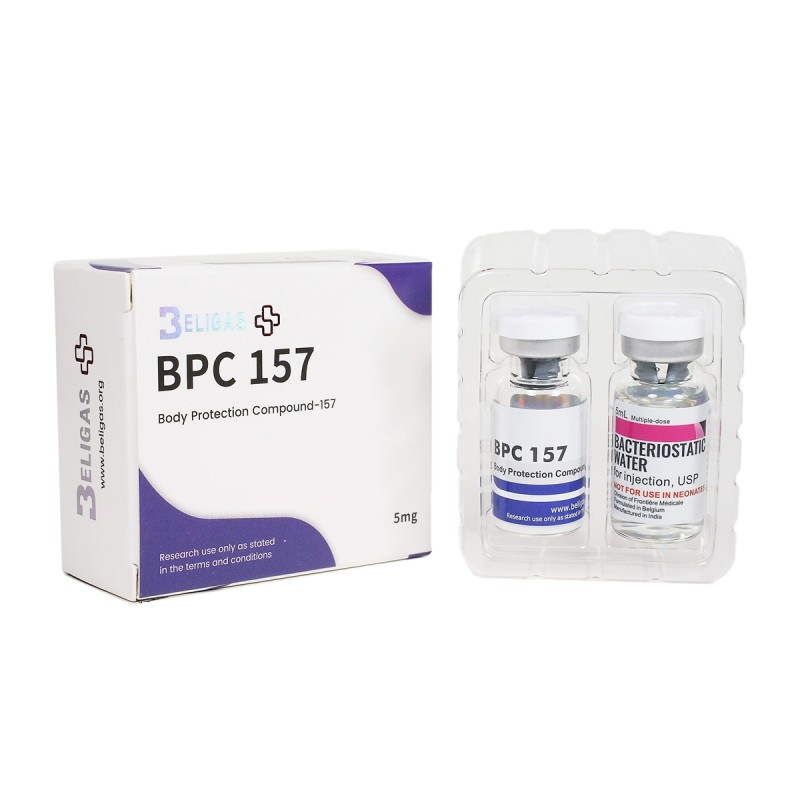
BPC-157 Pentadecapeptide
Introducing BPC-157, a cutting-edge synthetic peptide that is capturing attention for its remarkable regenerative properties. This innovative compound is known to support rapid recovery of muscle tissue and accelerate healing post-workout, making it an essential ally for athletes and bodybuilders alike.
While BPC-157 offers exciting benefits, it's important to approach it with caution. Understanding potential side effects and appropriate dosages is vital, as these can vary based on individual needs and goals. Make sure to weigh the pros and cons before incorporating it into your regimen.
What is BPC-157?
BPC-157 is a unique peptide supplement sourced from proteins in the gastrointestinal tract, giving it distinctive regenerative capabilities. Although the source may not sound appealing, it plays a crucial role in its effectiveness.
Most of the research surrounding BPC-157 has been conducted on rodents, consistently showcasing its protective benefits for a range of bodily functions, not just limited to the digestive system. Its potential advantages include healing ulcers, repairing intestinal damage, addressing joint issues, and enhancing bone health.
Additionally, BPC-157 has shown promise in reducing inflammation, aiding brain health, and assisting with organ repair. However, due to the nature of the studies, finding cruelty-free alternatives can be a challenge.
How It Works
Since 1991, BPC-157 has been a focal point of research, revealing its ability to promote tissue regeneration in various areas, including muscles, tendons, teeth, and the digestive tract. Key benefits include:
- Exceptional repair capabilities for damaged tendons and bones.
- Enhanced cell survival rates, promoting overall health.
- Protection against digestive tract damage from traditional NSAIDs while still delivering anti-inflammatory effects.
- Relief from IBS symptoms.
- Positive effects on periodontitis healing.
- Accelerated recovery of muscle tissues.
- Stabilization of gastric fluid production for improved digestive health.
- Disinfect the tops of your BAC water and BPC-157 vial with alcohol, allowing them to dry.
- Carefully calculate your dosage. For a 30 mL bottle of BAC, filling three standard insulin syringes can reconstitute a 5 mg BPC vial, resulting in about 250 mcg per 1 cc syringe.
- Store the reconstituted BPC-157 in a cool, dark place, as it is sensitive to UV light and heat. At room temperature, it lasts about ten weeks, while refrigeration can extend its shelf life to six months, and freezing may preserve it for up to two years.
- Subcutaneous Injection: This method involves injecting under the skin, generally less painful. Pinch the skin close to the injury site for insertion. Assistance may be needed to hold the skin or needle steady.
- Intramuscular Injection: This technique delivers the peptide directly into the muscle and is typically more painful. It's advisable to seek guidance from a professional if you're unfamiliar with this method.
BPC-157 works by enhancing nitric oxide production, which dilates blood vessels, ensuring optimal blood, oxygen, and nutrient delivery to critical areas of the body. It also supports endothelium health, the protective layer of blood vessels, speeding up wound healing and boosting collagen synthesis for skin repair.
Its anti-inflammatory properties are reported to rival those of conventional NSAIDs, making it a powerful option for pain relief.
BPC-157 Dosage
When using BPC-157, typical dosages for injections range from 1-10 mcg/kg. For instance, a person weighing 60 kg may consider a dosage between 60-600 mcg. While many users administer this once daily, some find splitting the dose into two injections yields better results.
How to Take It
BPC-157 is typically available in powder form for online purchase, requiring reconstitution for injection. To prepare your dosage, you'll need bacteriostatic water (BAC). Here?s a quick guide:
Injection Methods
BPC-157 works systemically, targeting the area of need through various injection methods. Always swab the injection site with alcohol to prevent infection.