
ACTIVE HALF-LIFE
2 days
CLASSIFICATION
Non-steroidal aromatase inhibitor
DOSAGE
0.5 - 2.5 mg/day
ACNE
No
WATER RETENTION
No
HBR
No
HEPATOTOXICITY
No
AROMATIZATION
No
MANUFACTURER
Euro-Pharmacies - US
LAB TEST
See Document
WAREHOUSE
USA Warehouse 3
SUBSTANCE
Letrozole
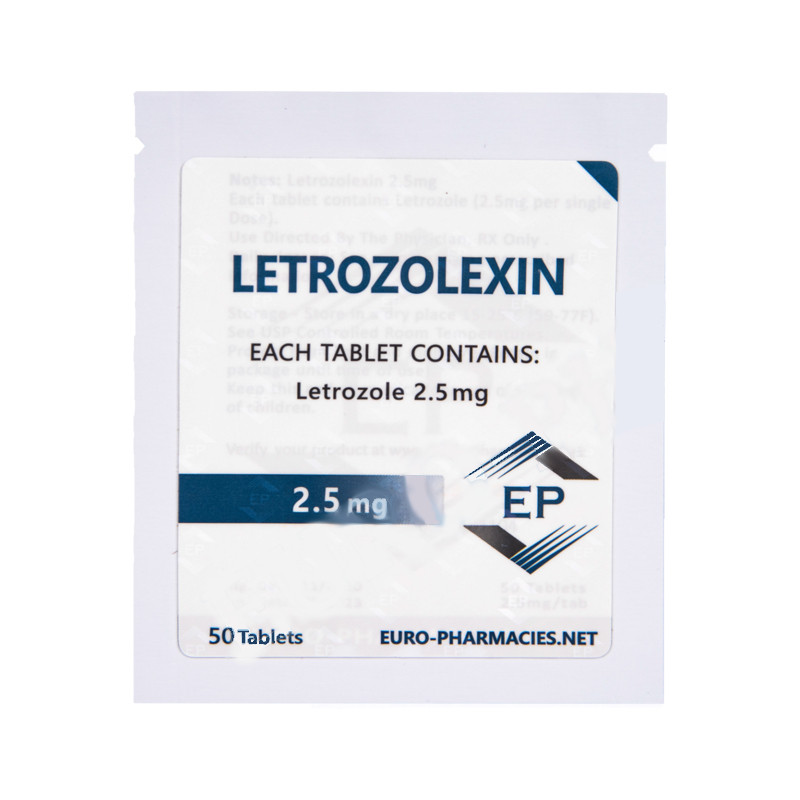
Introducing Letrozolexin, a powerful non-steroidal aromatase inhibitor renowned for its ability to suppress estrogen synthesis and its notable antineoplastic effects. As a third-generation aromatase inhibitor, Letrozolexin effectively and reversibly targets aromatase?an enzyme essential for converting androgens into estrogens?thereby potentially curtailing the growth of estrogen-dependent breast cancer cells.
Aromatase, a vital cytochrome P-450 enzyme, is located in various tissues, including the premenopausal ovary, liver, and breast, and plays a crucial role in estrogen production. By competitively binding to the heme group of this enzyme, Letrozolexin significantly inhibits estrogen production while preserving the synthesis of vital hormones like mineralocorticoids and corticosteroids. Unlike tamoxifen, which binds to estrogen receptors to exert its effects, Letrozolexin takes a more direct approach by cutting off estrogen synthesis altogether.
Approved by the FDA, Letrozolexin is a trusted treatment for local or metastatic hormone receptor-positive breast cancer in postmenopausal women. While it can lead to lower estrogen levels?up to a staggering 98%?and a boost in testosterone, users should be aware of potential side effects, including those linked to low estrogen, such as osteoporosis. To mitigate these risks, it?s common practice to combine Letrozolexin with medications like Fosamax.
Athletes and bodybuilders favor Letrozolexin during steroid cycles due to its ability to reduce water retention and prevent the onset of gynecomastia associated with some anabolic steroids. However, it?s important to follow recommended dosages, as exceeding 2.5 mg per day may impact libido, and prolonged use over 5 mg per day could pose risks to kidney health.
Additionally, Letrozolexin has been noted for its potential to delay growth plate fusion in adolescents, making it a valuable option in the treatment of short stature in children and teens, particularly when paired with growth hormone therapy.