
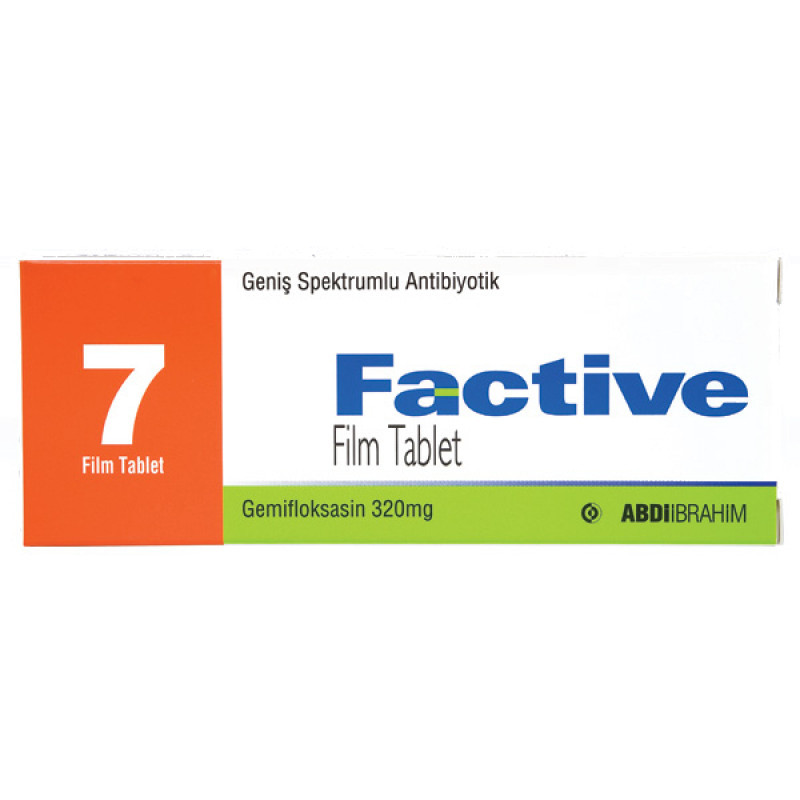
CLASSIFICATION
Antibiotic
ACNE
Not Applicable
WATER RETENTION
Not Applicable
HBR
Potentially Yes
HEPATOTOXICITY
Not Applicable
AROMATIZATION
Not Applicable
MANUFACTURER
Abdi Ibrahim
WAREHOUSE
International Warehouse 2
SUBSTANCE
Gemifloxacin Mesylate
What is Gemifloxacin (Factive)?
Gemifloxacin, a powerful antibiotic belonging to the fluoroquinolone family, is designed to effectively combat bacterial infections within the body. Its primary application is in treating various infections that impact the lungs. While it is highly effective, fluoroquinolone antibiotics, including gemifloxacin, may result in serious or debilitating side effects. Therefore, gemifloxacin should be reserved for infections that cannot be treated with safer antibiotic options. Additionally, it may also be prescribed for other conditions not explicitly listed in this medication guide.
Common Side Effects
Users of gemifloxacin may encounter several common side effects, which can include: - Nausea, vomiting, stomach discomfort, diarrhea - Headaches - Dizziness - Skin rashes
Important Information About Gemifloxacin (Factive)
While gemifloxacin can be highly effective, it also carries the risk of severe side effects, such as tendon issues, nerve damage, significant mood or behavioral changes, and low blood sugar levels. Should you notice symptoms like headaches, increased appetite, irritability, anxiety, shakiness, numbness, tingling, burning sensations, confusion, agitation, paranoia, memory or concentration difficulties, or thoughts of self-harm, discontinue use immediately and consult your healthcare provider.
Be aware that gemifloxacin may lead to tendon swelling or tears. If you experience sudden pain, swelling, bruising, tenderness, stiffness, or reduced movement in any joints, stop taking the medication and seek medical attention right away.
Consult Your Healthcare Provider Before Using Gemifloxacin (Factive)
This medication should not be used if you have a known allergy to gemifloxacin or any other fluoroquinolones (such as ciprofloxacin, levofloxacin, moxifloxacin, ofloxacin, norfloxacin, and others).
There is a heightened risk of tendon swelling or tearing while taking gemifloxacin, particularly in the Achilles tendon, and this risk may persist even months after stopping the medication. Tendon problems are more likely to occur in individuals over 60, those on steroid medications, or those who have undergone kidney, heart, or lung transplants.
Inform your healthcare provider if you have a history of: - Tendon issues, arthritis, or joint problems - Diabetes - Muscle or nerve disorders, such as myasthenia gravis - Slow heartbeats or rhythm problems (especially if treated) - Long QT syndrome (personal or family history) - Difficulty swallowing pills - Liver or kidney conditions - Epilepsy or seizure disorders - Low magnesium or potassium levels in the blood
The safety of this medication during pregnancy is not established. Please notify your doctor if you are pregnant.
Do not breastfeed while taking gemifloxacin.
This medication is not suitable for individuals under 18 years of age.
How to Take Gemifloxacin (Factive)
Always adhere to the instructions provided on your prescription label and read any accompanying medication guides or instruction sheets. Use gemifloxacin strictly as prescribed.
Take the medication with a full glass of water, ensuring that you stay hydrated to support kidney function during treatment.
Administer the medication at the same time each day, regardless of meal times.
Swallow the tablet whole; do not chew or crush it.