
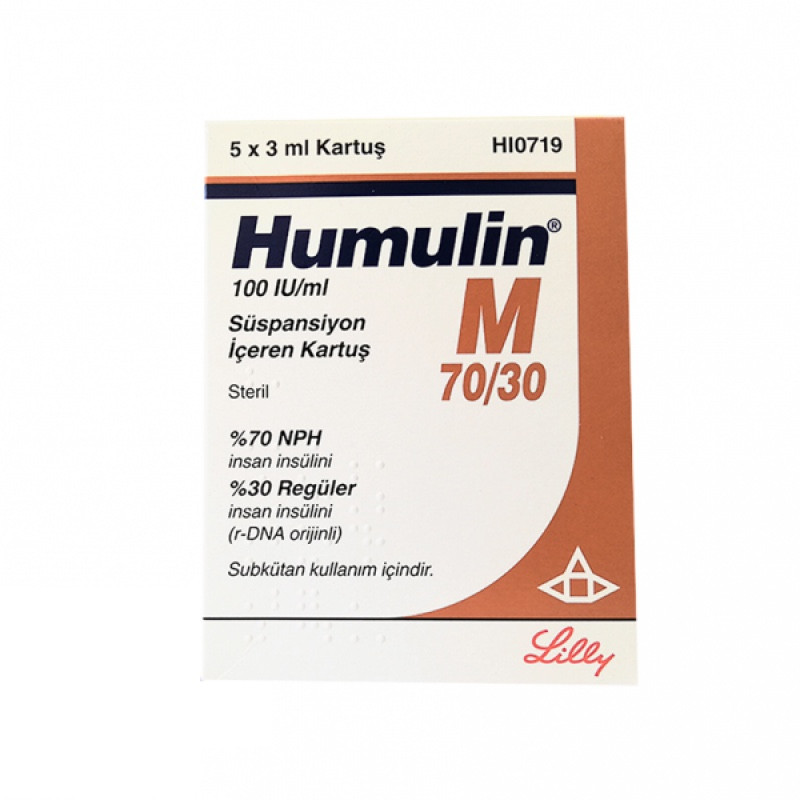
Humulin M 70/30 (Cart)
- Brand: Lilly
- Product Code: Humulin M 70/30 (Cart)
- Availability: In Stock
-
$61.00
CLASSIFICATION
Hormone and Synthetic Substitute / Antidiabetic Agent
ACNE
No
WATER RETENTION
No
HBR
No
HEPATOTOXICITY
No
AROMATIZATION
No
MANUFACTURER
Lilly
WAREHOUSE
International Warehouse 2
SUBSTANCE
Insulin, Insulin Isophane
Insulin is a powerful anabolic hormone that plays a vital role in human health, essential for regulating bodily functions. Though produced naturally by the pancreas, many individuals with diabetes rely on exogenous insulin for proper management, while some athletes use it to boost muscle growth. However, it is crucial to use insulin under medical supervision, as misuse can lead to serious health risks.
First introduced in the 1920s, exogenous insulin was initially derived from the pancreases of animals like dogs, cattle, and pigs. Despite early concerns over purity, this life-saving treatment transformed diabetes management. By the 1970s, advancements in purification led to the introduction of synthetic insulin, with Humulin-R hitting the market in 1982 as the first FDA-approved replica of human insulin.
Functions & Characteristics of Insulin:
Insulin, a peptide hormone secreted by the pancreas, is critical for regulating glucose, amino acids, and fatty acids in the body. It prevents the breakdown of glycogen, fat, and protein, making it essential for individuals with diabetes. There are two primary types of diabetes: Type I, where the body fails to produce enough insulin, and Type II, characterized by insulin resistance often associated with obesity.
As a peptide hormone, insulin converts glycogen to glucose in the liver while inhibiting glucose production from non-carbohydrates. It also promotes glucose uptake by cells, enhancing muscle growth and protein synthesis. High insulin levels are associated with increased bone density and elevate Insulin-Like Growth Factor-1 (IGF-1), another anabolic hormone.
Moreover, insulin can raise levels of Luteinizing Hormone (LH) and Follicle Stimulating Hormone (FSH), potentially boosting testosterone production, although the effect is relatively minor.
Effects of Insulin:
For individuals with diabetes, insulin's primary function is to regulate blood sugar levels. Its anabolic and anti-catabolic effects can also benefit athletes. However, misuse of insulin can lead to unwanted fat gain and severe health risks.
For athletes, elevated insulin levels may impede fat burning, necessitating a well-planned diet to ensure glucose and protein are utilized for muscle rather than stored as fat. Timely insulin administration after intense workouts, combined with nutritional intake, is essential for optimal results.
Insulin can yield significant lean muscle development rapidly, but managing potential fat gain can be a challenge. The combination of anabolic steroids with insulin and Human Growth Hormone (HGH) is often recommended in competitive sports to enhance growth and manage fat levels.
Side Effects of Insulin:
A primary concern with insulin use is the risk of hypoglycemia, particularly in performance contexts. While careful dosing can mitigate this risk for diabetics, athletes may face serious consequences from misuse.
Hypoglycemia occurs when blood glucose levels drop dangerously low, leading to symptoms such as dizziness, hunger, sweating, and confusion. If such symptoms arise, consuming fast-acting carbohydrates like candy or sugary drinks is recommended. It is also advised not to sleep shortly after insulin administration due to the risk of nocturnal hypoglycemia, which can be life-threatening. Always have someone nearby when using insulin for assistance if needed.
Severe hypoglycemia can result in diabetic comas, which, while treatable, pose serious risks, including the potential for death. Allergic reactions are rare but can cause swelling or irritation at injection sites, necessitating immediate medical attention if they occur. To prevent localized fat accumulation, it's important to rotate injection sites.
Insulin Administration:
Insulin dosing varies greatly based on individual needs. For performance enhancement, several forms of insulin are available, with short-acting options like Humulin-R, Humalog, and Novolog being more suited for athletes.
Humalog acts quickly, taking effect within 15 minutes, peaking at 30-90 minutes, and lasting 3-5 hours. Novolog and Humulin-R have similar onset times, though slightly slower than Humalog. While Humulin-R is available over the counter, Humalog requires a prescription.
A common starting dose for performance enhancement is 1 unit per 10 pounds of body weight. However, newcomers should start with a lower dose, gradually increasing it while monitoring for hypoglycemia symptoms. The optimal time for administration is immediately after weight training, accompanied by a meal rich in carbohydrates (at least 100 grams) and protein (40-50 grams). Always keep fast-acting carbohydrates on hand to counteract potential hypoglycemic symptoms.
Conclusion:
Insulin is essential for maintaining health and optimal body function. While it can significantly support muscle development in performance contexts, it carries substantial risks. Many men may achieve better body composition without it. Nevertheless, insulin remains popular in competitive bodybuilding, often used alongside other steroids and hormones. It?s vital to weigh personal goals against the potential dangers before considering insulin as a performance enhancer.