
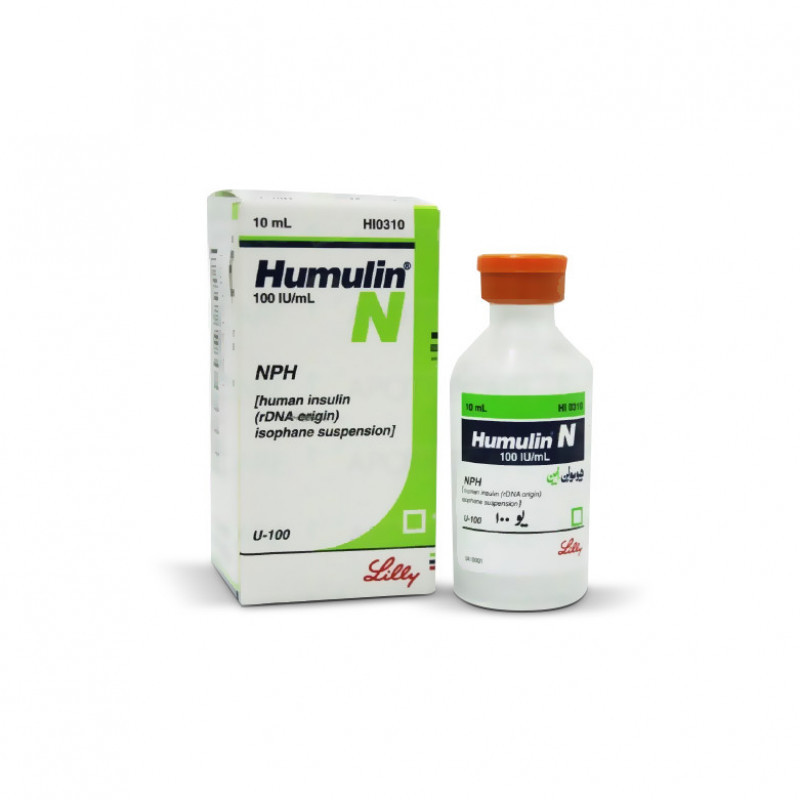
Humulin N 100IU (Vial)
- Brand: Lilly
- Product Code: Humulin N 100IU (Vial)
- Availability: In Stock
-
$62.00
CLASSIFICATION
Hormone and Synthetic Substitute / Antidiabetic Agent
ACNE
No
WATER RETENTION
No
HBR
No
HEPATOTOXICITY
No
AROMATIZATION
No
MANUFACTURER
Lilly
WAREHOUSE
International Warehouse 2
SUBSTANCE
Insulin
Insulin is a powerful anabolic hormone that plays an essential role in human health by regulating various bodily functions. While it is naturally produced by the pancreas, individuals with diabetes often require external insulin administration. Additionally, some athletes may utilize insulin for its potential to enhance lean muscle development. However, it's crucial to approach insulin usage with caution, as improper use can lead to serious health risks.
The history of insulin began in the 1920s, derived initially from the pancreases of animals. Despite early concerns regarding purity, the life-saving effects of exogenous insulin quickly made it invaluable, especially for those with untreated diabetes. By the 1970s, advancements in purification paved the way for synthetic insulin, with Humulin-R being launched in 1982 as the first FDA-approved human insulin substitute.
Insulin Functions & TraitsAs a peptide hormone, insulin facilitates the regulation and utilization of glucose, amino acids, and fatty acids while preventing the breakdown of glycogen, fats, and proteins. Individuals with diabetes may need insulin for two primary types: Type I, where the body produces insufficient insulin, and Type II, where insulin is produced but not utilized effectively by the body's cells, often linked to obesity.
Insulin encourages the liver to convert glycogen into glucose while inhibiting the conversion of non-carbohydrates into glucose. It promotes cellular glucose absorption, fostering muscle growth and enhancing protein synthesis. Elevated insulin levels can also improve bone density and increase the production of Insulin-Like Growth Factor-1 (IGF-1), another anabolic hormone.
Moreover, insulin can elevate levels of Luteinizing Hormone (LH) and Follicle Stimulating Hormone (FSH), contributing to testosterone production, albeit to a lesser extent.
Effects of InsulinThe primary function of insulin in diabetes management is regulating blood sugar levels. Its anabolic and anti-catabolic properties can be advantageous for athletes. However, for those without diabetes, using exogenous insulin may lead to unwanted fat gain and health complications if not carefully managed.
Despite the associated risks, some athletes seek the anabolic benefits of insulin, provided they maintain discipline in their dietary choices to control body fat. High insulin levels can inhibit fat burning, so storing glucose and protein in muscles rather than fat is crucial. For optimal results, insulin is best administered post intense workouts, complemented by appropriate nutrition.
When used correctly, insulin can facilitate rapid lean muscle mass gain, especially when combined with a structured training regime. Many athletes also pair it with anabolic steroids and Human Growth Hormone (HGH) for enhanced effects.
Side Effects of InsulinOne of the primary concerns with insulin use is the risk of hypoglycemia, which can be managed effectively through proper dosing for diabetics but poses additional challenges in performance contexts. Symptoms of hypoglycemia include:
- Dizziness
- Hunger
- Drowsiness
- Blurred vision
- Depression
- Sweating
- Heart palpitations
- Tingling in extremities
- Loss of focus
- Headaches
- Lightheadedness
- Anxiety
- Irritability
- Slurred speech
- Personality changes
- Unsteady movements
Immediate consumption of fast-acting carbohydrates is vital if symptoms occur. Users should avoid sleeping after insulin administration, as this could lead to dangerous hypoglycemia. Severe cases may require medical attention, emphasizing the importance of not administering insulin without proper guidance.
While hypoglycemia can often be addressed quickly, it can escalate to severe conditions, including diabetic coma, with some fatalities reported from improper use in performance settings.
Other potential side effects may include rare allergic reactions, which can manifest as swelling, itching, or irritation at the injection site. More severe responses necessitate immediate medical intervention.
Frequent injections in the same area can lead to localized fat accumulation, making it essential to rotate injection sites.
Insulin AdministrationInsulin dosage varies significantly based on individual needs, with no one-size-fits-all approach.
For performance enhancement, athletes often choose short-acting and long-acting insulin variants. Fast-acting insulins like Humulin-R, Humalog, and Novolog are popular choices among competitive athletes.
Humalog typically starts working within 15 minutes, peaks at 30 to 90 minutes, and lasts for 3 to 5 hours. Novolog and Humulin-R follow similar patterns but with slight variations, with Humulin-R being the slowest acting. Many athletes find Humulin-R readily accessible over the counter.
A common performance-enhancing dosage is approximately 1 IU per 10 pounds of body weight. New users should begin with lower doses, starting at 1 IU post-workout, and gradually increase until they find a comfortable level. If hypoglycemic symptoms arise, they should reduce their dosage accordingly.
Injecting insulin immediately after weight training is ideal, with at least 100g of carbohydrates recommended. Consuming a mix of solid and liquid carbohydrates about 15 minutes post-injection, along with 40?50g of protein, optimizes results.
Some users may require more than 100g of carbohydrates post-injection, particularly with increased dosage. Caution is crucial to avoid excessive insulin use; starting low and increasing as necessary is advisable.
Always keep fast-acting carbohydrates on hand to counter any hypoglycemic symptoms. Responsible use means never injecting insulin without adequate carbohydrates available. Following carbohydrate intake, individuals should plan for their next meal to ensure proper nutrition.
Insulin ReviewsInsulin is vital for maintaining health and bodily functions. As a performance aid, it offers significant muscle-building potential, but its use comes with inherent risks. Many individuals may find managing body fat challenging while using insulin, and most can achieve better long-term outcomes by avoiding it altogether.
Nonetheless, it remains a popular choice among competitive bodybuilders, both amateur and professional, who may combine it with other hormones for enhanced effects. Recreational athletes using performance enhancers often report unwanted fat gain associated with insulin use.
Some athletes in non-physique sports utilize insulin due to its undetectable nature in drug tests, often in small doses alongside HGH and minimal testosterone or thyroid medications to navigate testing protocols.