
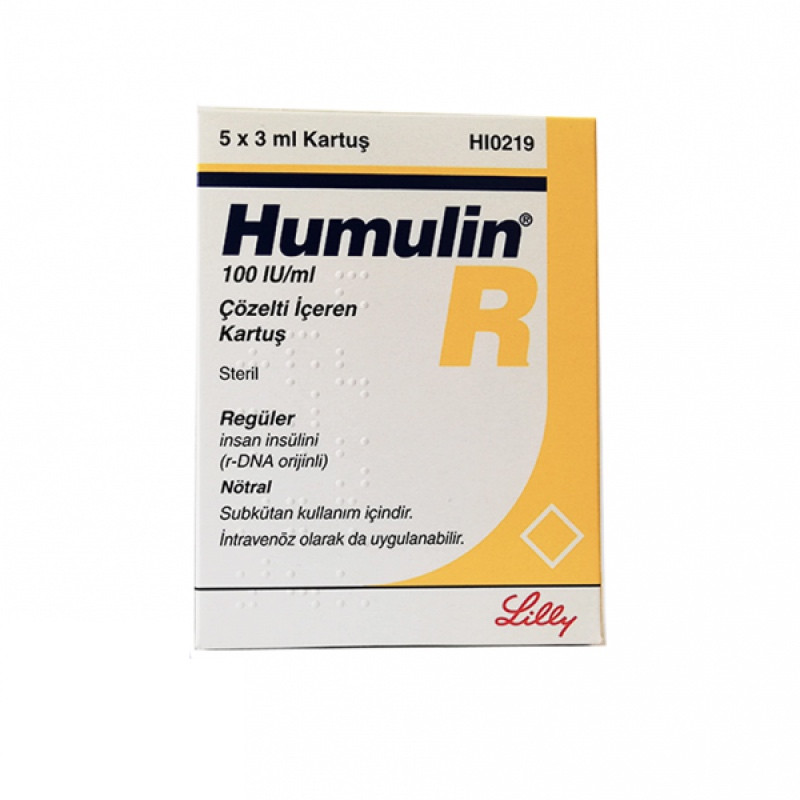
Humulin R 100IU (Cart)
- Brand: Lilly
- Product Code: Humulin R 100IU (Cart)
- Availability: In Stock
-
$62.00
CLASSIFICATION
Hormone and Synthetic Substitute / Antidiabetic Agent
ACNE
No
WATER RETENTION
No
HBR
No
HEPATOTOXICITY
No
AROMATIZATION
No
MANUFACTURER
Lilly
WAREHOUSE
International Warehouse 2
SUBSTANCE
Insulin
Insulin is a powerful anabolic hormone naturally produced in the human body, playing a vital role in maintaining essential physiological functions. For individuals with diabetes, the body's natural insulin production is insufficient, necessitating the use of external (exogenous) insulin. Athletes may also utilize insulin to enhance lean muscle development; however, off-label use can pose significant health risks and should be approached with extreme caution.
Exogenous insulin made its debut in the 1920s, initially derived from the pancreases of dogs, followed by cattle and pigs. While there were concerns regarding its purity, its life-saving potential for managing diabetes made it invaluable. Untreated diabetes can be fatal, and while animal-derived insulin had its drawbacks, its benefits far outweighed the risks. By the 1970s, advancements in purification led to the introduction of synthetic insulin by Ciba in 1975, with Humulin-R?identical to human insulin?gaining FDA approval in 1982.
Insulin Functions & Characteristics:Secreted by the pancreas, insulin is a peptide hormone that regulates glucose, amino acids, and fatty acids in the body, while also preventing the breakdown of glycogen, fat, and protein. For those with diabetes, insulin is critical in managing both Type 1 and Type 2 diabetes. Type 1 diabetics do not produce enough insulin, whereas Type 2 diabetics may produce it but fail to use it effectively, often due to obesity.
As a peptide hormone, insulin facilitates the liver's conversion of glycogen to glucose and inhibits the conversion of non-carbohydrates into glucose. Additionally, it aids in transporting glucose into cells, promoting muscle growth. Elevated insulin levels correlate with increased protein synthesis, improved bone density, and a boost in Insulin-Like Growth Factor-1 (IGF-1), a hormone with anabolic properties.
Moreover, insulin can potentially elevate levels of Luteinizing Hormone (LH) and Follicle Stimulating Hormone (FSH), which may enhance testosterone production. While the influence on LH and FSH is relatively minor, it is still significant.
Effects of Insulin:The primary role of insulin is to regulate blood sugar levels, making it essential for individuals with diabetes. Due to its strong anabolic and anti-catabolic effects, some athletes find insulin beneficial for performance enhancement. However, non-diabetic users risk significant fat gain and other serious consequences if not used properly.
Despite the risks, athletes may leverage insulin's anabolic benefits, but careful management is crucial. High insulin levels can hinder fat loss, so it is advisable to administer insulin immediately after intense weight training, accompanied by appropriate nutrition, to optimize its effects.
When used correctly, insulin can facilitate rapid lean muscle mass gains. While managing fat gain can be challenging, it is achievable with meticulous planning. Athletes often combine insulin with anabolic steroids and Human Growth Hormone (HGH) to maximize growth and fat control.
Side Effects of Insulin:Hypoglycemia is the primary concern associated with insulin use, particularly in performance contexts. While diabetic patients typically manage dosages effectively, athletes face heightened risks. Hypoglycemia can occur when blood sugar levels fall too low, leading to symptoms such as dizziness, hunger, drowsiness, and blurred vision?potentially escalating to severe complications without prompt intervention.
In the event of hypoglycemic symptoms, quick consumption of fast-acting carbohydrates, like candy or sugary drinks, is critical. Individuals should avoid sleeping after insulin administration due to the risk of severe nighttime hypoglycemia. If symptoms worsen, urgent medical attention is essential, highlighting the importance of having someone nearby during insulin use.
Severe hypoglycemia can lead to diabetic coma, underscoring the serious nature of improper insulin management. Other side effects may include rare allergic reactions at the injection site, such as swelling and irritation. More serious reactions, though uncommon, require medical attention.
To avoid increased fat storage from repeated injections in the same area, it is recommended to rotate injection sites.
Insulin Administration:Insulin dosages for diabetes management vary widely based on individual needs, with no one-size-fits-all approach. In performance enhancement, different forms of insulin exist, impacting dosage plans significantly. Athletes often prefer fast-acting insulins like Humulin-R, Humalog, and Novolog.
Humalog acts quickly, with effects noticeable within 15 minutes post-injection, peaking within 30-90 minutes, and lasting about 3-5 hours. Novolog and Humulin-R have similar profiles but are generally slower-acting. Humulin-R is available over the counter, while Humalog requires a prescription, making it less accessible for some athletes.
A common starting dosage for performance enhancement is 1 unit of insulin per 10 pounds of body weight, though beginners should start with lower amounts?about 1 unit post-training?and gradually increase as tolerated. Signs of hypoglycemia indicate that the dosage may be too high.
Timing is crucial; insulin should be administered immediately after weight training, alongside at least 100 grams of carbohydrates and approximately 40-50 grams of protein. Always keep fast-acting carbohydrates on hand to counter hypoglycemic reactions, and plan a subsequent meal soon after.
Insulin in Review:Insulin is essential for overall health and bodily functions. As a performance-enhancing tool, it can significantly support muscle building, but the associated risks are substantial. Many individuals might find they do not need insulin to achieve their fitness goals and could be better off avoiding it, despite its appeal in competitive bodybuilding. Additionally, some athletes may exploit insulin's undetectability in drug tests, using it in conjunction with HGH and small doses of testosterone or thyroid medications to navigate testing challenges, often at lower total doses.