
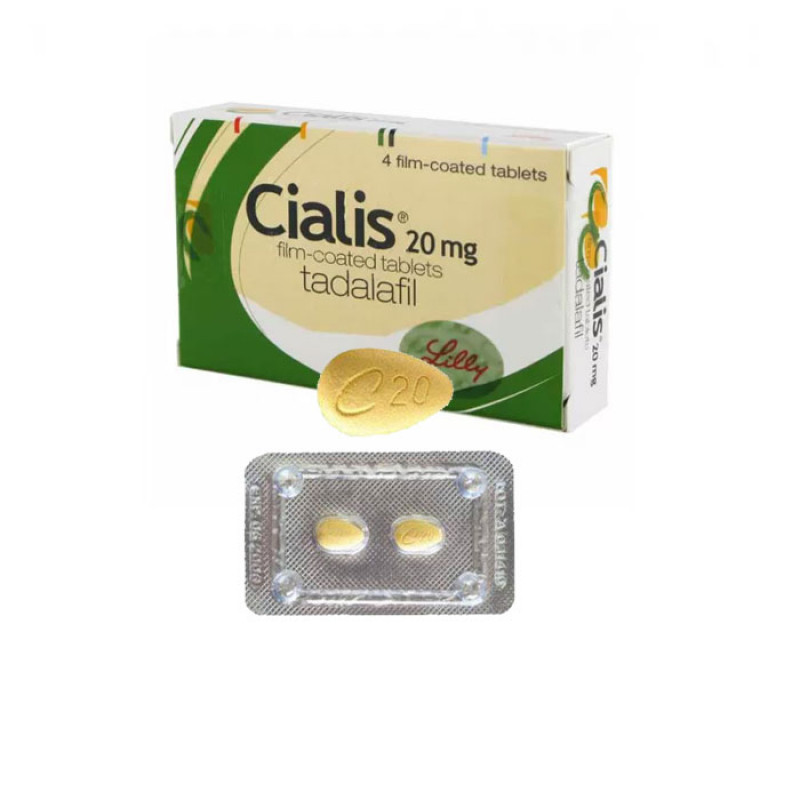
ACTIVE HALF-LIFE
24-36 Hours
CLASSIFICATION
PDE5 Inhibitor
DOSAGE
Recommended for men: 10-20mg per day
ACNE
No
WATER RETENTION
No
HBR
Possibly
HEPATOTOXICITY
No
AROMATIZATION
No
MANUFACTURER
Lilly
WAREHOUSE
International Warehouse 2
SUBSTANCE
Tadalafil
Discover CIALIS: The Solution for Erectile Dysfunction
CIALIS is a powerful medication designed specifically for men struggling with erectile dysfunction (ED), which is the inability to achieve or maintain a firm erection suitable for sexual activity.
As a member of the phosphodiesterase type 5 (PDE5) inhibitor class, CIALIS works by relaxing the blood vessels in the penis, enhancing blood flow when sexual stimulation occurs. Keep in mind that CIALIS is ineffective without the presence of erectile dysfunction.
For optimal results, remember that CIALIS requires sexual arousal; both partners should engage in foreplay just like they would without medication.
Key Considerations Before Using CIALIS
Do not use CIALIS if:
- You are allergic to tadalafil or any of its ingredients.
- You are taking organic nitrates or nitric oxide donors, such as amyl nitrite, which can interact dangerously with CIALIS.
- You have severe heart conditions or have recently had a heart attack.
- You have suffered a recent stroke.
- You have uncontrolled blood pressure issues.
- You have a history of vision loss due to non-arteritic anterior ischemic optic neuropathy (NAION), also known as "stroke of the eye."
Take special precautions when considering CIALIS:
Sexual activity can be risky for those with heart conditions, so consult your doctor if you have any heart-related issues.
Discuss these additional conditions with your doctor, as they may affect the safety of using CIALIS:
- Sickle cell anemia, multiple myeloma, leukemia, or any physical deformities of the penis.
- Severe liver disease.
- Serious kidney disorders.
The effectiveness of CIALIS in patients who have had pelvic surgery or nerve-sparing radical prostatectomies is not well established.
If you experience sudden changes in vision or vision loss, discontinue use immediately and contact your doctor.
CIALIS is not approved for women or individuals under 18.
Medication Interactions
Inform your healthcare provider about all medications you are currently taking or have recently taken, including over-the-counter products, as they may interact with CIALIS. This is especially important if you are using nitrates, which should not be taken alongside CIALIS.
If you are on alpha-blockers for high blood pressure or prostate enlargement, notify your doctor. Additionally, medications that inhibit CYP3A4 (such as ketoconazole or HIV protease inhibitors) may heighten the risk of side effects.
Always follow your healthcare provider's advice regarding CIALIS use in conjunction with other medications, and avoid combining it with other ED treatments.
Using CIALIS with Food and Alcohol
CIALIS can be taken with or without food. However, be cautious with alcohol consumption, as it may impair your ability to achieve an erection and could lower blood pressure. If you plan to take CIALIS, limit alcohol intake to avoid dizziness.
Dosage Guidelines
Always adhere to your doctor's instructions regarding CIALIS. If you have questions, consult your healthcare professional or pharmacist.
The recommended starting dose is one 10 mg tablet taken before anticipated sexual activity. If necessary, your doctor may adjust the dosage to 20 mg. CIALIS is taken orally with water and remains effective for up to 36 hours, but sexual stimulation is essential for it to work.
Do not take CIALIS more than once within a 24-hour period. The 10 mg and 20 mg doses are intended for use prior to sexual activity and are not meant for continuous daily administration.
Overdose Information
If you exceed the recommended dose of CIALIS, inform your healthcare provider immediately.
For any further questions about this medication, consult your doctor or pharmacist.
Potential Side Effects
As with any medication, CIALIS may cause side effects, though not everyone will experience them. Generally, these side effects are mild to moderate.
In this overview: - "Very common" side effects occur in at least 1 in 10 patients. - "Common" side effects affect more than 1 in 100 but fewer than 1 in 10 patients. - "Uncommon" effects are seen in more than 1 in 1,000 but fewer than 1 in 100 patients. - "Rare" side effects impact more than 1 in 10,000 but fewer than 1 in 1,000 patients.
Notable side effects may include:
Very Common Side Effects: Headache, back pain, muscle aches, facial flushing, nasal congestion, dizziness, and indigestion.
Common Side Effects: Allergic reactions (such as rashes), abdominal pain, reflux, blurred vision, eye pain, excessive sweating, a pounding sensation in the chest, rapid heartbeat, high blood pressure, low blood pressure, and chest pain. If you experience chest pain during or after sexual activity, avoid nitrates and seek immediate medical attention.
Uncommon Side Effects: Fainting, seizures, transient memory loss, swelling of the eyelids, red eyes, sudden hearing loss, hives, and nosebleeds.
Rare Side Effects: Prolonged and potentially painful erections lasting over 4 hours require immediate medical intervention.
While rare cases of heart attack or stroke have been noted among users of CIALIS, most involved individuals with pre-existing heart conditions, making it difficult to ascertain the medication?s role.
Some users have reported sudden, temporary, or permanent vision problems after using CIALIS.
Additional side effects not documented in clinical trials include migraines, facial swelling, serious skin reactions, blood flow issues to the eyes, irregular heartbeat, angina, and infrequent occurrences of sudden cardiac death and hearing loss.
Studies suggest potential fertility impairment in animals, but evidence indicates this is unlikely in humans, although some men reported decreased sperm concentration.
If you notice any severe side effects or unexpected reactions not covered in this guide, please contact your healthcare provider or pharmacist.
Storage Guidelines
Keep CIALIS out of reach of children. Do not use the medication past its expiration date. Store it in its original container to protect it from moisture, and do not exceed temperatures of 30шC. Dispose of any unused medications responsibly, avoiding wastewater or household waste, and consult your pharmacist for eco-friendly disposal options.