
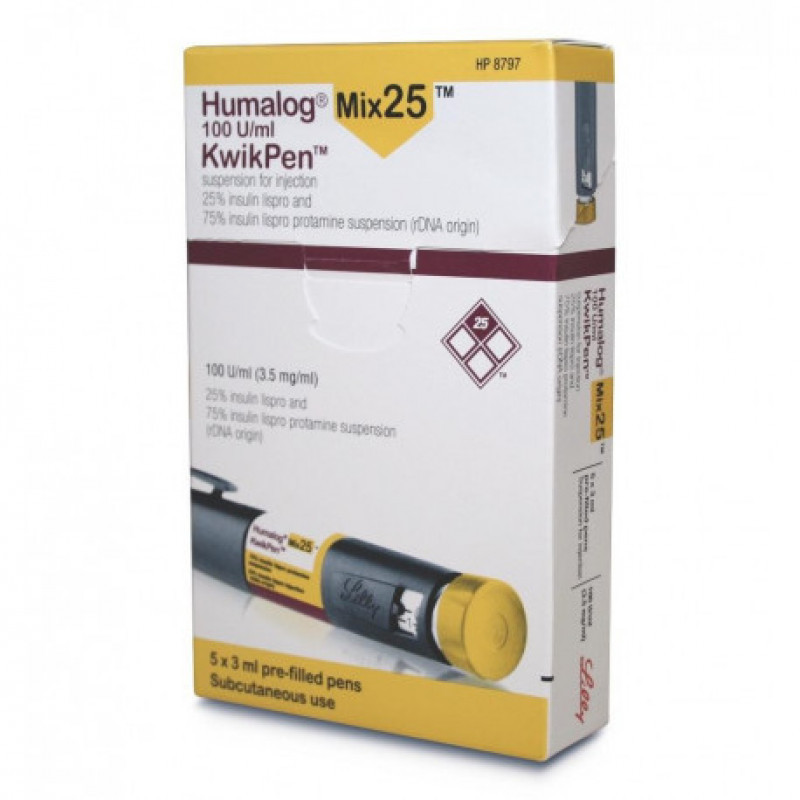
Humalog Kwikpen Mix 25
- Brand: Lilly
- Product Code: Humalog Kwikpen Mix 25
- Availability: In Stock
-
$130.00
PRODUCT CLASSIFICATION
Hormone and Synthetic Substitute / Antidiabetic Agent
ACNE RISK
None
WATER RETENTION
None
HBR
None
HEPATOTOXICITY
None
AROMATIZATION
None
MANUFACTURER
Lilly
WAREHOUSE
International Warehouse 2
ACTIVE SUBSTANCE
Insulin Lispro,
Insulin Lispro Protamine Suspension
Insulin is a vital anabolic hormone produced by the human body, essential for maintaining optimal health. While naturally occurring, many individuals with diabetes require supplemental insulin. Athletes may also use insulin for its muscle-building benefits; however, off-label use carries significant risks and should only be undertaken with caution.
Since the 1920s, endogenous insulin has been derived from animal pancreases, originally from dogs, cattle, and pigs. Despite initial concerns over its purity, exogenous insulin has been lauded for saving countless lives, as untreated diabetes can lead to severe complications or death. By the 1970s, advancements in insulin purity led to Ciba's introduction of the first synthetic insulin in 1975, followed by the FDA's approval of Humulin-R in 1982, a perfected formulation of human insulin.
Understanding Insulin's Functions:As a peptide hormone secreted by the pancreas, insulin plays a crucial role in regulating glucose, amino acids, and fatty acids within the body while preventing the breakdown of glycogen, fat, and protein.
Individuals with diabetes may have Type I, which is characterized by insufficient insulin production, or Type II, where the body cannot effectively utilize insulin, often linked to obesity.
Insulin significantly influences the liver's conversion of glycogen to glucose while inhibiting the conversion of non-carbohydrates into glucose. It promotes glucose absorption by cells, aiding in muscle growth and enhancing protein synthesis. Elevated insulin levels not only support muscle development but also improve bone density and stimulate the production of Insulin-Like Growth Factor-1 (IGF-1), a key anabolic hormone related to insulin.
Furthermore, insulin can boost levels of Luteinizing Hormone (LH) and Follicle Stimulating Hormone (FSH), potentially leading to increased testosterone production, albeit minimally.
Effects and Benefits of Insulin:Regardless of diabetes type, insulin?s primary function is to regulate blood sugar levels. Its strong anabolic and anti-catabolic properties can also provide advantages for athletes; however, the off-label use of exogenous insulin can lead to significant fat gain and even fatal outcomes without proper oversight.
Athletes utilizing insulin for its muscle-building potential must manage body fat effectively, as elevated insulin levels can hinder fat-burning. To optimize results while minimizing metabolic issues, it is recommended to administer insulin immediately following intense weight training, along with a meal.
Proper dietary management is crucial to ensure that glucose and proteins are directed toward muscle rather than fat. For performance enhancement, the ideal time for insulin administration is post-workout, in conjunction with food intake.
When used appropriately, insulin can rapidly facilitate the development of lean muscle mass. While managing potential fat gain can be challenging, it is achievable with the right strategy. Many athletes combine insulin with anabolic steroids and Human Growth Hormone (HGH) for enhanced results, contributing to improved body fat control.
Potential Side Effects of Insulin:Using insulin can lead to side effects, primarily hypoglycemia. Diabetic individuals can usually manage hypoglycemia with careful dosing, but it poses substantial risks for athletes. A drop in blood sugar levels can result in severe consequences, including death.
Hypoglycemia is the most common adverse effect associated with insulin. Symptoms may include dizziness, hunger, fatigue, blurred vision, mood swings, and unsteady movements.
In the event of hypoglycemia symptoms, individuals should immediately consume fast-acting carbohydrates, such as candy or sugary beverages. It?s crucial to avoid sleeping after taking insulin without addressing these symptoms to prevent life-threatening situations. Always ensure someone is present during insulin administration for safety.
Severe hypoglycemia, while often manageable, can lead to critical conditions like diabetic coma, and fatalities related to recreational insulin use have been documented, highlighting the serious nature of this risk.
Allergic reactions, though rare, can occur. Injection site reactions may include swelling or irritation, while severe reactions could involve wheezing or a sudden drop in blood pressure, requiring immediate medical attention.
Localized fat accumulation can also result from repeated injections in the same area, so alternating injection sites is advisable.
Administering Insulin:Dosing for diabetes management varies based on individual needs, with no universal dosage applicable to all.
In performance contexts, the variety of available insulin types complicates dosing strategies. Fast-acting insulins like Humulin-R, Humalog, and Novolog are often preferred. Humalog acts quickly, showing effects within approximately 15 minutes, while Novolog and Humulin-R take slightly longer to peak.
Typical performance enhancement doses generally start at 1 IU per 10 pounds of body weight, but beginners should begin with lower doses, gradually increasing until they find a comfortable range without experiencing hypoglycemic symptoms.
The optimal timing for insulin administration is immediately after weight training, accompanied by at least 100 grams of carbohydrates and 40-50 grams of protein.
Insulin users should keep fast-acting carbohydrates readily available during their post-injection activities to counteract potential hypoglycemia. Regardless of whether symptoms are present, consuming a meal shortly after the insulin injection is advisable.
Final Thoughts on Insulin:Insulin is an essential hormone for health and physical function. While it can assist in muscle growth, it comes with significant risks and challenges, especially regarding fat management. Most individuals do not require insulin for performance enhancement and will likely benefit more from avoiding its use.
However, it remains popular among certain athletes, particularly in competitive bodybuilding, where meticulous diet control and careful planning can mitigate some associated risks. Notably, some athletes who prioritize performance over aesthetics may utilize insulin, aware that it is not detectable in drug tests.