
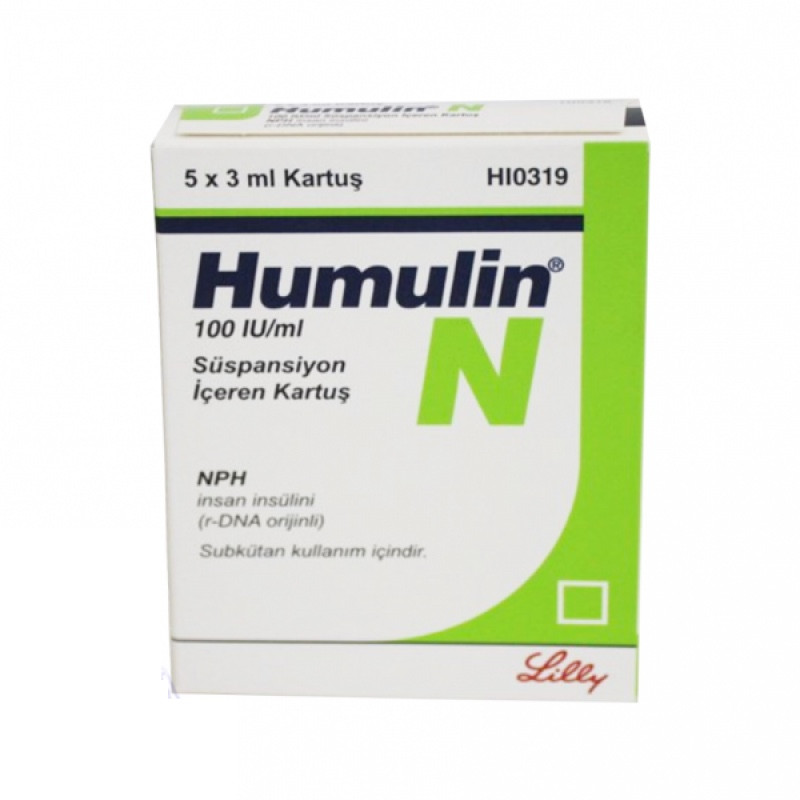
Humulin N 100IU (Cart)
- Brand: Lilly
- Product Code: Humulin N 100IU (Cart)
- Availability: In Stock
-
$53.00
PRODUCT CLASSIFICATION
Hormone and Synthetic Substitute / Antidiabetic Agent
ACNE INCIDENCE
No
WATER RETENTION
No
HBR (Hydrochloride)
No
HEPATOTOXICITY
No
AROMATIZATION
No
MANUFACTURER
Lilly
STORAGE LOCATION
International Warehouse 2
ACTIVE SUBSTANCE
Insulin
Insulin is a powerful anabolic hormone essential for maintaining optimal bodily functions, naturally produced by the human body. For individuals with diabetes, the need for exogenous insulin is crucial, and it is also utilized by some athletes aiming to enhance lean muscle growth. However, the non-prescribed use of insulin can pose serious health risks and should be approached with caution.
The history of exogenous insulin dates back to the 1920s, initially sourced from the pancreas of dogs, and later from cattle and pigs. Despite concerns regarding purity, this groundbreaking treatment for diabetes was revolutionary. By the 1970s, advancements in purification led to the introduction of the first synthetic insulin by Ciba in 1975, followed by FDA approval of Humulin-R in 1982, a precise human insulin replica.
Key Functions and Characteristics of Insulin:Insulin, a peptide hormone produced in the pancreas, plays a pivotal role in regulating glucose, amino acids, and fatty acids in the body. It also prevents the breakdown of glycogen, fat, and protein, making it essential for metabolic health.
Diabetes manifests in two main forms requiring insulin therapy. Type I diabetes, often autoimmune, results in inadequate insulin production, while Type II diabetes is characterized by the body's inability to effectively utilize insulin, often associated with obesity.
As a peptide hormone, insulin enhances liver function by promoting the conversion of glycogen to glucose while inhibiting the conversion of non-carbohydrates into glucose. It facilitates glucose uptake into cells, thereby supporting muscle growth. Elevated insulin levels are associated with increased protein synthesis, improved bone density, and elevated levels of Insulin-Like Growth Factor-1 (IGF-1), an anabolic hormone similar to insulin.
Additionally, insulin can stimulate the production of Luteinizing Hormone (LH) and Follicle Stimulating Hormone (FSH), which may lead to a mild increase in testosterone levels.
Impact of Insulin:In diabetes management, insulin is crucial for regulating blood sugar levels, exhibiting strong anabolic and anti-catabolic properties that can also benefit athletes. However, off-label use of insulin poses significant risks, including weight gain and severe health complications, potentially resulting in death if mismanaged.
Athletes may leverage insulin's anabolic effects, but they must carefully manage body fat, as high insulin levels can hinder fat loss. A strategic diet is essential to ensure that nutrients promote muscle growth instead of fat storage. Optimal timing for insulin administration is immediately after intense weight training, paired with nutrient intake; further details will follow.
When administered correctly, insulin can yield impressive muscle mass gains within a short timeframe. While fat management can be challenging, it is achievable under the right conditions. Combining insulin with anabolic steroids and Human Growth Hormone (HGH) is commonly recommended for enhanced muscle growth and fat control.
Potential Side Effects of Insulin:The primary concern with insulin use is hypoglycemia, particularly in performance athletes. While diabetics can manage this through careful dosing, hypoglycemia in athletic settings can be dangerous. Symptoms include dizziness, nausea, fatigue, and blurred vision, which can escalate to severe consequences, including death.
In the event of hypoglycemic symptoms, immediate intake of fast-acting carbohydrates (such as candy or juice) is essential. Individuals should refrain from sleeping after insulin administration if experiencing drowsiness, as this can lead to dangerously low blood sugar levels. Severe hypoglycemia requires urgent medical attention, emphasizing the importance of having a companion present during use.
Though rare, allergic reactions to insulin can occur, presenting as irritation or swelling at injection sites. More severe reactions, such as rashes or difficulty breathing, should be addressed promptly by healthcare professionals. Additionally, repeated injection at the same site may lead to localized fat accumulation, which can be mitigated by rotating injection locations.
Insulin Administration Guidelines:Dosages for managing diabetes vary according to individual requirements. However, athletes should approach performance-enhancing use with caution. Fast-acting insulin types, such as Humulin-R, Humalog, and Novolog, are primarily favored by athletes.
Humalog begins to take effect within 15 minutes, peaking at 30-90 minutes, with a duration of 3-5 hours. Novolog and Humulin-R have similar profiles, with Humulin-R often being available without a prescription. For performance enhancement, a general guideline is to administer 1 unit of insulin for every 10 pounds of body weight. First-time users should start with a lower dose and gradually increase while monitoring for hypoglycemic symptoms.
The best time for insulin use is immediately after weight training, followed by an intake of at least 100 grams of carbohydrates along with protein. This minimum requirement may vary, necessitating careful management to avoid excessive dosing.
After administering insulin and consuming carbohydrates, it's crucial to keep fast-acting carbohydrates readily available to counteract any potential hypoglycemia. Individuals should not inject insulin without ensuring access to immediate carbohydrate sources. Following the initial post-injection meal, it is advisable to plan for subsequent meals soon after.
Final Thoughts on Insulin:Insulin is integral to health and fitness, offering unique benefits for muscle building. However, its use comes with considerable risks, particularly for individuals prone to increased body fat. Many may find it unnecessary for achieving their fitness goals and may attain better long-term results by steering clear of it. Nevertheless, its appeal remains strong, especially in competitive bodybuilding circles. Athletes not focused on aesthetics may use insulin discreetly to avoid detection, often combining it with other substances at lower doses.