
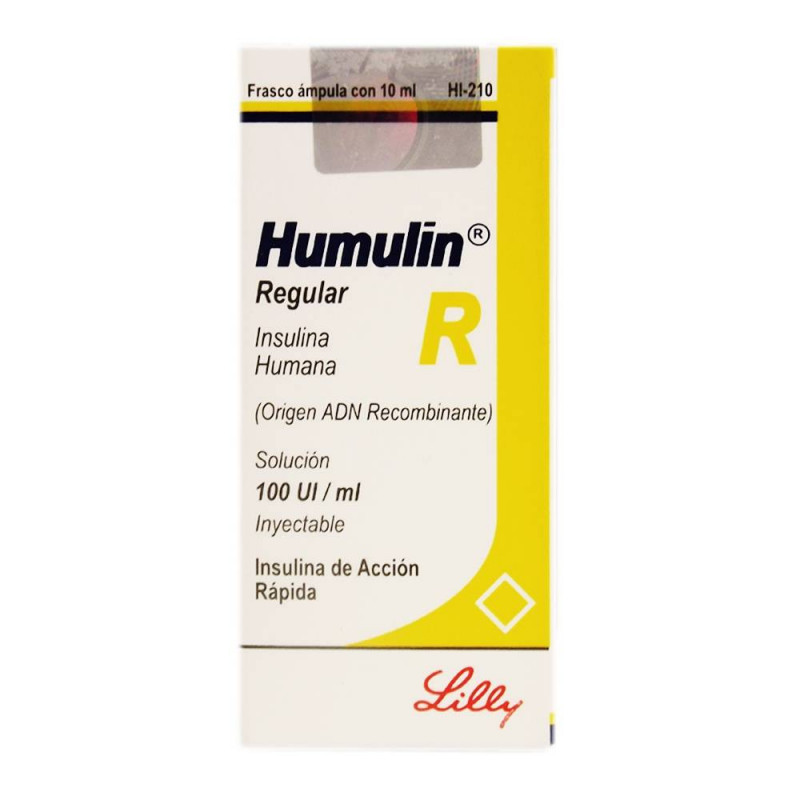
Humulin R 100IU (Vial)
- Brand: Lilly
- Product Code: Humulin R 100IU (Vial)
- Availability: In Stock
-
$71.00
PRODUCT CLASSIFICATION
Hormone and Synthetic Substitute / Antidiabetic Agent
ACNE
No
WATER RETENTION
No
HBR
No
HEPATOTOXICITY
No
AROMATIZATION
No
MANUFACTURER
Lilly
WAREHOUSE
International Warehouse 2
ACTIVE SUBSTANCE
Insulin
Insulin is a powerful anabolic hormone essential for human health, naturally produced by the pancreas. For individuals with diabetes, exogenous insulin becomes a necessity. Additionally, some athletes leverage it for enhanced muscle growth. However, improper use can lead to serious health risks, emphasizing the need for caution.
Since its introduction in the 1920s, insulin has evolved from animal sources?initially extracted from dog, cattle, and pig pancreases?to a synthetic version developed in the 1970s, with Humulin-R becoming the first FDA-approved human insulin in 1982. This advancement has made it safer and more effective for diabetes management.
Key Functions and Benefits of Insulin:As a peptide hormone, insulin plays a crucial role in the metabolism of glucose, amino acids, and fatty acids, preventing the breakdown of glycogen, fat, and protein. It?s particularly vital for those with Type I diabetes, who cannot produce enough insulin, and Type II diabetes, where insulin is produced but not utilized effectively, often due to obesity.
Insulin aids the liver in converting glycogen to glucose and inhibits the conversion of non-carbohydrates into glucose, while also facilitating glucose uptake into cells, which supports muscle growth. Elevated insulin levels can lead to increased protein synthesis, improved bone density, and enhanced production of Insulin-Like Growth Factor-1 (IGF-1), which has anabolic properties similar to insulin.
In addition, insulin can stimulate the production of Luteinizing Hormone (LH) and Follicle Stimulating Hormone (FSH), potentially enhancing testosterone levels?though this effect may not be significant.
Effects of Insulin:Insulin is primarily known for its role in regulating blood sugar levels across all forms of diabetes. Its anabolic and anti-catabolic properties also appeal to athletes. However, misuse of insulin, especially among those without diabetes, can result in unwanted fat gain and dangerous health situations if not managed properly.
While insulin can promote substantial lean muscle gains, careful management of body fat is crucial, as high levels can hinder fat burning. Athletes are advised to maintain a strict diet to ensure nutrients are directed towards muscle growth rather than fat storage. The ideal timing for insulin administration is immediately following intense weight training, ideally in conjunction with food.
For optimal results, combining insulin with anabolic steroids and Human Growth Hormone (HGH) can be beneficial for athletes aiming for muscle growth while controlling fat accumulation.
Potential Side Effects of Insulin:The most significant concern when using insulin is the risk of hypoglycemia, particularly in athletes. While diabetic patients typically manage doses effectively, athletes may face severe risks associated with low blood sugar levels. Hypoglycemia can lead to serious consequences, including death.
Symptoms of hypoglycemia include:
- Dizziness
- Hunger
- Drowsiness
- Blurred vision
- Depression
- Excessive sweating
- Heart palpitations
- Tingling sensations
- Loss of concentration
- Headaches
- Lightheadedness
- Anxiety
- Irritability
- Slurred speech
- Personality changes
- Unsteady movements
If symptoms occur, consuming simple carbohydrates immediately is essential; options include candy or sugary drinks. It's crucial to avoid sleeping after taking insulin, as drowsiness can indicate a need for more carbohydrates. In severe cases of hypoglycemia, medical assistance should be sought promptly. Always administer insulin in the presence of someone else for added safety.
While hypoglycemia can often be managed, it poses a risk of diabetic coma and has been linked to fatalities in performance contexts. Allergic reactions, although rare, can also occur, leading to swelling or irritation at the injection site. Any adverse effects should prompt immediate medical attention.
Additionally, localized fat accumulation may arise from repeated injections in the same area, making it essential to rotate injection sites regularly.
Insulin Administration:Insulin dosing varies significantly based on individual patient needs, with no one-size-fits-all approach.
For performance enhancement, various insulin types are available, including fast-acting formulations like Humulin-R, Humalog, and Novolog. Humalog is particularly effective, acting within 15 minutes and peaking at 30-90 minutes, with effects lasting 3-5 hours. While Humalog is preferred, it can be challenging to obtain a prescription, making Humulin-R a more accessible option for many athletes.
The typical starting dose for performance enhancement is 1 unit of insulin per 10 pounds of body weight, with first-time users advised to start lower. Insulin should ideally be administered immediately after weight training, followed by a minimum intake of 100g of carbohydrates and 40-50g of protein. Care should be taken not to exceed insulin levels, with adjustments made based on individual response and symptoms.
Fast-acting carbohydrates should always be available post-injection to counteract potential hypoglycemia. Athletes must plan for subsequent meals to maintain optimal nutrition.
Insulin Summary:Insulin is vital for maintaining health and supporting bodily functions. While it can significantly enhance muscle growth when used responsibly, the associated risks should not be ignored. Many athletes achieve their goals without insulin, often seeing better long-term results by avoiding its use. However, it remains popular in competitive bodybuilding, where genetic advantages and other hormone use are prevalent. Regular gym-goers using performance-enhancing substances may experience increased fat gain with exogenous insulin.
Moreover, some athletes may find insulin appealing due to its undetectability in drug tests, often combining it with HGH and low doses of testosterone or thyroid hormones while managing overall insulin levels to avoid detection.