
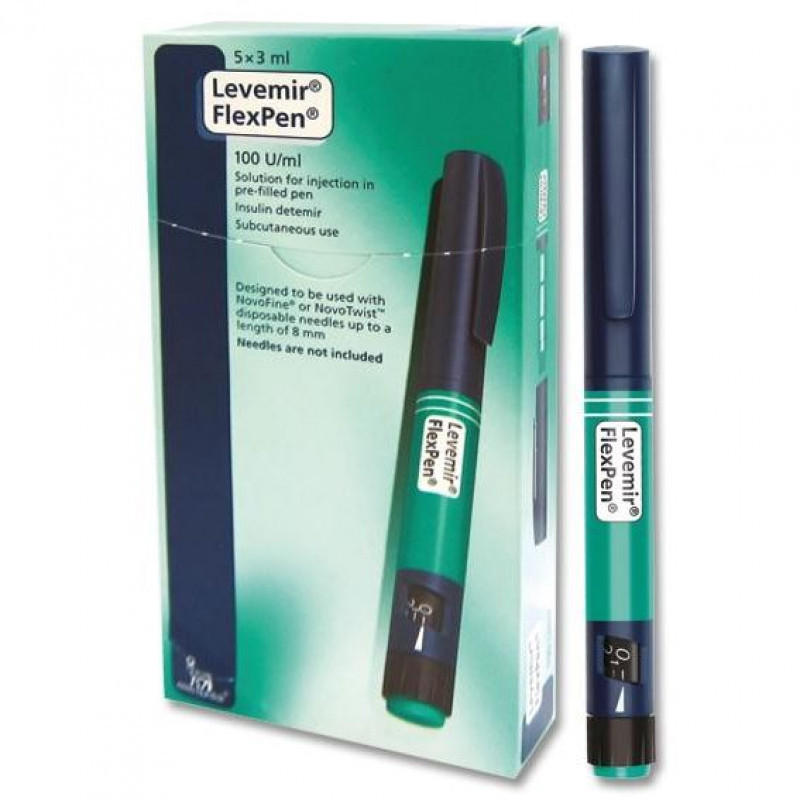
PRODUCT CLASSIFICATION
Hormone and Synthetic Substitute / Antidiabetic Agent
ACNE INDUCED
No
WATER RETENTION ISSUES
No
HBR PRESENT
No
HEPATOTOXICITY RISKS
No
AROMATIZATION EFFECTS
No
MANUFACTURER
Novo Nordisk
WAREHOUSE LOCATION
International Warehouse 2
ACTIVE SUBSTANCE
Insulin
Insulin is a powerful anabolic hormone crucial for human health, naturally produced by the pancreas. For individuals diagnosed with diabetes, insulin supplementation is often necessary, despite the body?s ability to produce it. Performance athletes may also utilize insulin to promote lean muscle growth. However, using insulin without a prescription can be very risky and should be approached with caution.
While insulin has always been a part of our biological makeup, exogenous insulin became available in the 1920s, initially derived from the pancreases of animals like dogs and later cows and pigs. Despite initial concerns about its purity, the life-saving benefits of exogenous insulin were soon recognized, as untreated diabetes can lead to dire consequences. By the 1970s, advancements in purification processes paved the way for the first synthetic insulin by Ciba in 1975. The introduction of Humulin-R in 1982 marked a milestone, as it was the first synthetic version to receive FDA approval, mirroring human insulin precisely.
Functions & Characteristics of Insulin:
Insulin, a peptide hormone produced by the pancreas, is vital for regulating the metabolism of glucose, amino acids, and fatty acids. It prevents the breakdown of glycogen, fat, and protein at a cellular level, playing an essential role in energy management.
For those with diabetes, insulin therapy is crucial due to two main types of diabetes. Type I diabetes occurs when the body fails to produce enough insulin, whereas Type II diabetes involves insulin production but ineffective cell recognition, often linked to obesity.
Insulin positively impacts the liver by promoting glycogen synthesis from glucose and inhibiting the conversion of non-carbohydrates into glucose. It aids glucose transport into cells, supporting muscle growth and enhancing protein synthesis. Elevated insulin levels are also associated with increased bone density and the production of Insulin-Like Growth Factor-1 (IGF-1), a hormone that shares structural similarities with insulin and has anabolic effects.
Moreover, insulin can stimulate the secretion of Luteinizing Hormone (LH) and Follicle Stimulating Hormone (FSH), which may slightly boost testosterone levels in the body.
Effects of Insulin:
For individuals managing diabetes, insulin primarily serves to regulate blood sugar levels. However, athletes may also benefit from its potent anabolic effects. Off-label use of exogenous insulin, though, poses risks, including excessive fat gain and potential life-threatening complications if mismanaged.
Athletes may leverage insulin?s anabolic properties, but managing body fat is paramount. Elevated insulin levels can hinder fat burning, requiring users to adhere to a meticulously planned diet to ensure nutrients are directed toward muscle growth instead of fat accumulation. The ideal time for insulin administration is immediately post-workout, accompanied by nutrient-rich foods.
When properly applied, insulin can facilitate rapid muscle gains. However, managing body fat is a common challenge. Combining insulin with anabolic steroids and HGH is often recommended to regulate fat levels while promoting muscle growth.
Possible Side Effects of Insulin:
The primary concern associated with insulin use is hypoglycemia, which poses a significant risk for diabetics and those using it for performance enhancement. Hypoglycemia occurs when blood sugar levels drop dangerously low, leading to symptoms that can escalate to severe complications if not addressed promptly.
Common hypoglycemic symptoms include:
- Dizziness
- Hunger
- Drowsiness
- Blurred vision
- Depression
- Sweating
- Heart palpitations
- Tingling sensations
- Loss of focus
- Headaches
- Lightheadedness
- Anxiety
- Irritability
- Slurred speech
- Personality changes
- Unsteady movements
When experiencing hypoglycemic symptoms, it?s essential to consume fast-acting carbohydrates. Sleeping immediately after insulin administration can lead to dangerous hypoglycemia, so having someone present during insulin use is crucial. Severe hypoglycemia can result in a diabetic coma, a critical condition that may lead to death. Additionally, allergic reactions to insulin can occur, causing discomfort at injection sites, and in rare cases, more severe reactions like rashes or respiratory difficulties.
Repeated injections in the same area can lead to localized fat accumulation, making it important to rotate injection sites regularly.
Insulin Administration Guidelines:
Dosing insulin for diabetes varies significantly among individuals, with no universal standard. For performance enhancement, several types of insulin are available, including both long-acting and short-acting variants, which influence dosing approaches.
A common starting performance dose is approximately 1 unit per 10 pounds of body weight. First-time users should initiate with a lower dose of 1 unit per day right after weight training, gradually increasing it while monitoring for hypoglycemic signs.
The optimal time for insulin administration is directly post-workout, paired with solid and liquid carbohydrates. A typical recommendation is at least 100 grams of carbohydrates along with 40-50 grams of protein.
While some users may require more carbohydrates, it is vital to avoid excessive insulin doses?begin with a low amount and increase as necessary. Always keep fast-acting carbohydrates on hand to address potential hypoglycemic episodes.
Insights on Insulin Use:
Insulin is an essential hormone for overall health and can be effective for muscle building as a performance enhancer. However, its use entails risks, particularly in managing body fat. Most individuals may not need insulin to achieve their fitness goals, and those who abstain may find more satisfaction with their results in the long run. Nevertheless, it remains a popular choice in competitive bodybuilding, often used in conjunction with other performance-enhancing substances.
Some athletes, even outside bodybuilding, see potential in insulin due to its undetectable nature in drug tests, frequently combining it with HGH and minimal doses of other anabolic agents to navigate testing protocols. However, the insulin doses used in these scenarios are typically kept relatively low.