
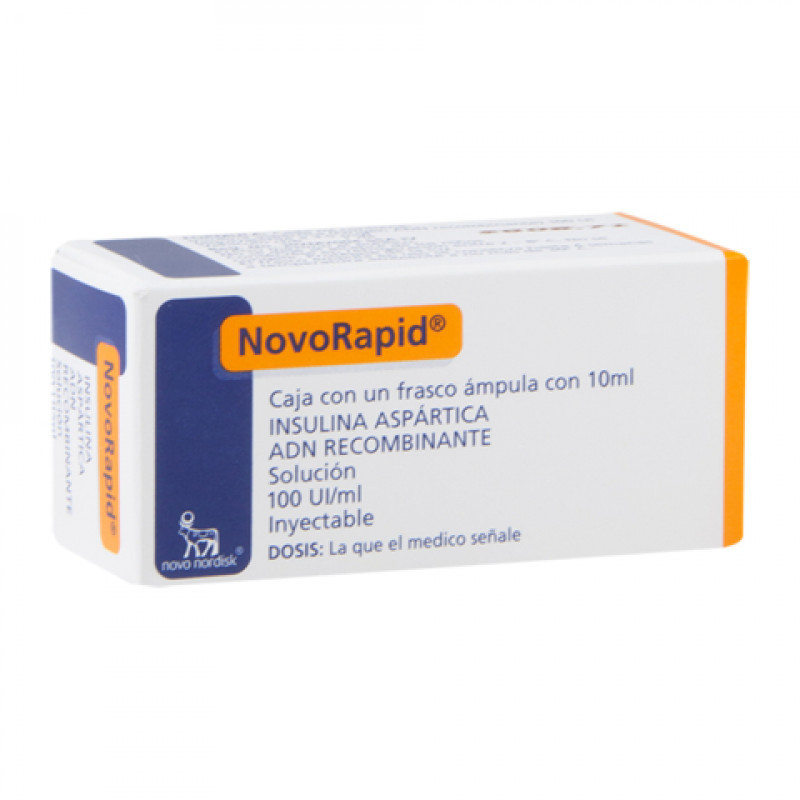
Novorapid 100IU (Vial)
- Brand: Novo Nordisk
- Product Code: Novorapid 100IU (Vial)
- Availability: In Stock
-
$56.00
CLASSIFICATION
Hormone and Synthetic Substitute / Antidiabetic Agent
ACNE
No
WATER RETENTION
No
HBR
No
HEPATOTOXICITY
No
AROMATIZATION
No
MANUFACTURER
Novo Nordisk
WAREHOUSE
International Warehouse 2
SUBSTANCE
Insulin
Insulin Overview
Insulin is a powerful anabolic hormone essential for human health and is critical in regulating physiological functions. While the body produces insulin naturally, individuals with diabetes often need supplemental doses. Additionally, some athletes leverage its muscle-building properties. However, the unsupervised use of insulin can be hazardous, making careful management indispensable.
Though insulin occurs naturally, exogenous forms were first introduced in the 1920s, initially sourced from the pancreases of dogs, then later from cattle and pigs. Despite initial concerns over purity, this early insulin was revolutionary in saving lives, particularly for individuals at risk of severe complications from diabetes. By the 1970s, purification advancements led to synthetic insulin, with Humulin-R becoming the first commercially successful version, receiving FDA approval in 1982.
Insulin's Functions and Characteristics
Produced by the pancreas, insulin is classified as a peptide hormone with pivotal roles in managing glucose, amino acids, and fatty acids while preventing the breakdown of glycogen, fats, and proteins.
There are two main types of diabetes requiring insulin treatment. Type I diabetes, often hereditary, results from the body's inability to produce sufficient insulin. In contrast, Type II diabetes, frequently associated with obesity, occurs when the body cannot effectively use insulin, even when present.
Insulin positively influences the liver by promoting glycogen conversion to glucose and inhibiting the conversion of non-carbohydrates to glucose. It also aids glucose transport into cells, fostering muscle growth. Elevated insulin levels are linked to enhanced protein synthesis, increased bone density, and heightened production of Insulin-Like Growth Factor-1 (IGF-1), an anabolic hormone similar to insulin.
Moreover, insulin contributes to increasing Luteinizing Hormone (LH) and Follicle Stimulating Hormone (FSH) levels, which can lead to modest boosts in testosterone production.
Insulin Effects
Insulin's primary role is to regulate blood glucose levels, a vital function for everyone with diabetes. Its strong anabolic and anti-catabolic properties can also benefit athletes. However, improper use of exogenous insulin can lead to significant fat gain and even life-threatening situations if not managed correctly.
While some athletes utilize insulin for its muscle-building effects, managing body fat levels is crucial. High insulin levels can impede the body?s ability to burn stored fat, necessitating strict dietary controls to ensure that glucose and protein are directed to muscle rather than fat cells. Administering insulin right after intense weight training, followed by a meal, is often considered the best practice.
When used appropriately, insulin can facilitate substantial muscle growth in a short time, though controlling fat gain can be challenging without proper management. In performance contexts, combining insulin with anabolic steroids and Human Growth Hormone (HGH) is frequently recommended for optimal results.
Insulin Side Effects
The most concerning side effect of insulin use is hypoglycemia, especially in performance scenarios where incorrect dosing can be dangerous. While proper dosing typically safeguards diabetic patients, hypoglycemia can still pose risks for others. This condition arises when blood sugar levels dip too low, potentially leading to severe complications if not managed promptly.
Symptoms of hypoglycemia may include:
- Dizziness
- Hunger
- Drowsiness
- Blurred Vision
- Depression
- Sweating
- Heart Palpitations
- Tingling Sensations
- Loss of Focus
- Headaches
- Lightheadedness
- Anxiety
- Irritability
- Slurred Speech
- Personality Changes
- Unsteady Movements
Should symptoms occur, consuming fast-acting carbohydrates, such as candy or sugary drinks, can help mitigate the effects. It?s vital to avoid sleeping after taking insulin, as drowsiness indicates a need for more carbohydrates. In severe cases of hypoglycemia, immediate medical attention is essential. Therefore, individuals should never administer insulin alone and always have a companion for safety.
Severe hypoglycemia can result in a diabetic coma or death, underscoring the seriousness of this condition. In addition to hypoglycemia, insulin can cause rare allergic reactions at the injection site, leading to swelling or tenderness. More serious reactions, such as rashes or shortness of breath, necessitate immediate medical care. To prevent localized fat storage, it?s crucial to rotate injection sites.
Insulin Administration
When managing diabetes (Type I or II), insulin dosage varies greatly based on individual needs, as there are no uniform guidelines.
In the realm of performance enhancement, understanding the different types of insulin with varying durations is essential. A typical starting dose for performance enhancement is around 1 unit per 10 pounds of body weight. However, first-time users should begin with a lower dose, starting with 1 unit post-workout and gradually increasing by 1-2 units as necessary. Symptoms of hypoglycemia may indicate an excessively high dose of insulin.
The optimal time to administer insulin is immediately after weight training, accompanied by a carbohydrate intake of at least 100 grams about 15 minutes post-injection, along with 40-50 grams of protein.
While 100 grams of carbohydrates is the minimum guideline, individual needs may vary, particularly with higher doses of insulin. Caution is crucial, as overdosing on insulin is easy. Therefore, starting with a lower dose and making gradual adjustments is advisable. After taking insulin and consuming carbohydrates/protein, keep fast-acting carbohydrates nearby to address any hypoglycemic symptoms promptly. Always plan for another meal soon after the initial post-injection nutrition, regardless of whether symptoms appear.
Conclusion on Insulin Use
Insulin is a vital hormone for maintaining health and functionality in the body. While it can be an effective tool for muscle building within performance contexts, its use is accompanied by significant risks. Many individuals may achieve better satisfaction with their physique by steering clear of insulin, despite its popularity in advanced bodybuilding circles. Remember, those who utilize insulin often possess genetic advantages and frequently combine it with other performance-enhancing substances. Regular gym-goers using insulin may encounter challenges in managing body fat levels.
Moreover, athletes outside the bodybuilding community might be drawn to insulin due to its undetectable nature in drug tests. Typically, these users maintain lower overall doses while possibly combining it with HGH and small amounts of testosterone and thyroid medications to navigate testing protocols.