
ACNE
No
WATER RETENTION
No
HBR
No
HEPATOTOXICITY
No
AROMATIZATION
No
MANUFACTURER
Beligas
WAREHOUSE
International Warehouse 3
SUBSTANCE
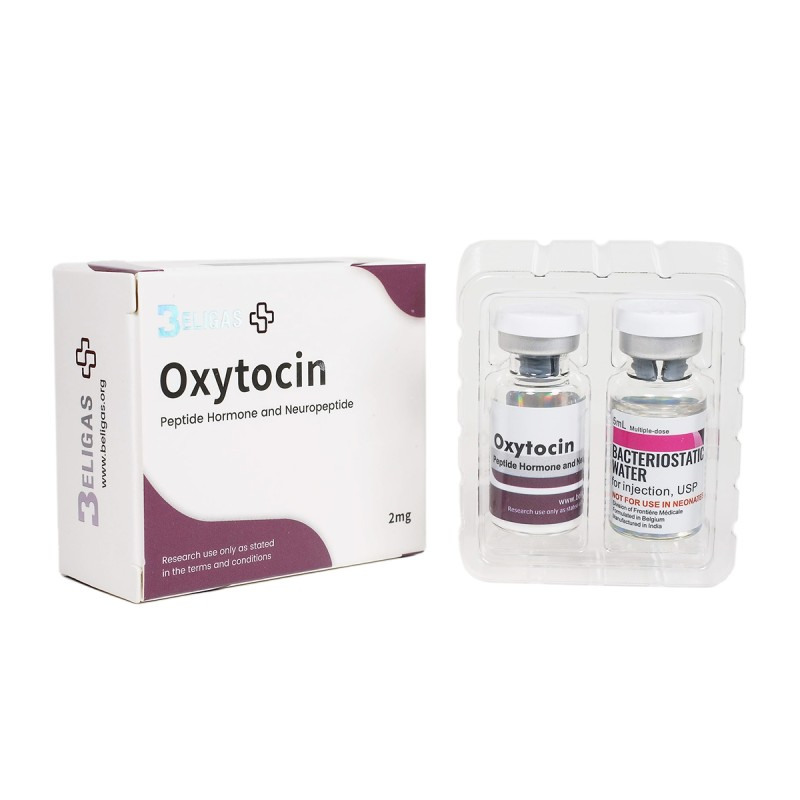
Oxytocin
Oxytocin is a remarkable hormone produced in the posterior lobe of the pituitary gland, a small but pivotal gland at the brain's base. Often called the "cuddle hormone" or "love hormone," oxytocin plays a vital role in enhancing social bonds and is released during intimate interactions, like cuddling. According to research published in the journal *Hormones and Behavior* in 2009, even engaging with pets, such as playing with a dog, can elevate oxytocin levels. However, it's essential to recognize that these labels only scratch the surface of this hormone's complexities.
Oxytocin also has the potential to amplify memories related to negative bonding experiences. For instance, men with challenging relationships with their mothers may find that oxytocin influences their perceptions, making them more cautious around those they see as outsiders. Thus, oxytocin's effects?whether nurturing affection or creating suspicion?are highly context-dependent.
Oxytocin's Role in Women's Health
In women, oxytocin is crucial for health and well-being. Larry Young, a behavioral neuroscientist at Emory University, highlights that oxytocin, a peptide produced in the brain, is especially important during childbirth and lactation. It triggers uterine contractions during labor and supports recovery post-delivery. Furthermore, when a baby suckles, it stimulates oxytocin release, prompting milk production for feeding.
Oxytocin also strengthens the bond between mother and child. Research has shown that female rats, initially indifferent to their offspring, undergo significant brain changes post-birth, making their pups irresistible. Similar findings have been observed in humans; a 2007 study in *Psychological Science* found that mothers with higher oxytocin levels during their first trimester were more likely to engage in nurturing activities, like singing or bathing their infants. While maternal bonding isn't solely biologically driven?adoptive mothers can bond just as strongly?evidence suggests that oxytocin released during pregnancy fosters attachment and connection. Additionally, interactions with infants can boost their own oxytocin levels.
Oxytocin's Influence on Men
For men, oxytocin also promotes bonding. A 2012 study revealed that fathers receiving oxytocin via nasal spray interacted more closely with their 5-month-old babies compared to fathers who did not receive the hormone. It's worth noting that vasopressin plays a more significant role in social bonding for men.
The seemingly paradoxical social effects of oxytocin add depth to its story. Research has shown that Dutch students administered olfactory oxytocin displayed increased positivity towards fictional Dutch characters while harboring negative attitudes towards characters with Arab or German names. This suggests that oxytocin may enhance social bonding primarily within one's in-group, as highlighted in a January 2011 study published in *PNAS*.
In a related 2010 study published in *PNAS*, men who received oxytocin and reflected on their mothers exhibited more positive descriptions of maternal care if their relationships were stable. Conversely, those with troubled relationships tended to view their mothers as less nurturing post-administration. Researchers believe oxytocin may enhance social memory formation, reinforcing both positive and negative associations. Young notes that oxytocin amplifies the significance of social information by linking various brain areas involved in processing social cues to the brain's reward centers.
Oxytocin Sprays and Potential Side Effects
Some researchers are investigating oxytocin sprays as potential treatments for autism, a condition often marked by challenges in social interaction. A small 2013 study published in *PNAS* examined children and teens with autism who were asked to recognize emotions from photographs of people's eyes after receiving oxytocin. Although there was no improvement in emotion recognition, heightened activity was observed in brain regions associated with social interaction, suggesting oxytocin could enhance the impact of behavioral therapies for children with autism.
Young emphasizes the importance of a positive social context when considering oxytocin for treating conditions like autism. However, the use of oxytocin sprays outside of medical supervision remains contentious. Many over-the-counter sprays marketed online claim to relieve stress and enhance social experiences but lack FDA regulation, leading to uncertainties about their effectiveness, potential side effects, and ingredient authenticity.
While extensive studies on the long-term effects of legitimate oxytocin sprays are limited?most research focuses on single doses?the synthetic form of oxytocin known as Pitocin, used intravenously to induce labor, can lead to side effects like nausea, vomiting, and stomach discomfort.