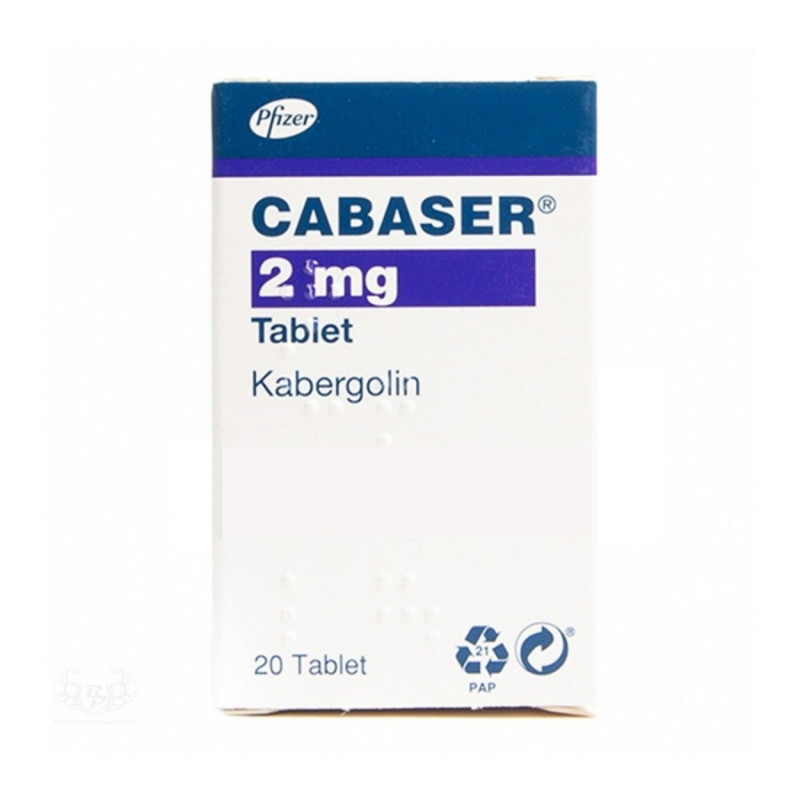
ACTIVE HALF-LIFE
63-68 hours
CLASSIFICATION
Prolactin Inhibitor
DOSAGE
1-2 mg/week
ACNE
No
WATER RETENTION
No
HBR
No
HEPATOTOXICITY
No
AROMATIZATION
No
MANUFACTURER
Pfizer
WAREHOUSE
International Warehouse 2
SUBSTANCE
Cabergoline
What is Cabaser?
Cabaser, also known as Cabergoline or Dostinex, is a powerful medication primarily used to treat Parkinson's disease, a condition caused by insufficient dopamine levels in the brain. By enhancing dopamine's effects, Cabaser helps alleviate various Parkinson's symptoms. Beyond its primary use, Cabaser is also effective for:
- Treating hyperprolactinemic disorders and pituitary adenomas (tumors).
- Restoring testosterone levels and enhancing libido (sexual desire).
- Reducing excessive lactation.
- Effectively managing Restless Legs Syndrome (RLS).
- Handling acromegaly.
- Combating fatigue and energy depletion.
- Providing significant support in Parkinson?s disease treatment.
How to Use Cabaser?
Both Cabaser and Dostinex contain Cabergoline, the active ingredient, with Cabaser offering a higher concentration of 1 mg per tablet compared to Dostinex's 0.5 mg. The initial recommended dosage starts at 0.25 mg twice weekly, which may be adjusted by 0.25 mg every four weeks based on prolactin levels, reaching up to 1 mg twice a week. If you have liver issues, cardiovascular problems, or a history of mental illness, consulting your healthcare provider is essential.
Follow your doctor's prescription for optimal results?usually, the recommended intake is once daily, with a potential maximum of 1 mg, which your doctor may increase to 2-3 mg per day depending on your specific condition.
Cabaser Bodybuilding Benefits
Cabergoline, the active ingredient in Cabaser, acts as a dopamine agonist and is often found under various non-brand names. This compound effectively mimics dopamine's actions, making it a valuable option for those looking to optimize their performance and recovery in bodybuilding.
Cabaser Side Effects
As with any medication, possible side effects may include allergic reactions, gastrointestinal discomfort, weakness, fatigue, flu-like symptoms, hot flashes, swelling, weight fluctuations, drowsiness, anxiety, and, in rare cases, heart failure and specific forms of pericarditis. Additional side effects can involve musculoskeletal pain, respiratory issues, visual disturbances, breast pain, and decreased libido. Overdosing may lead to nasal congestion, fainting, or hallucinations. Always follow your healthcare provider's guidance to minimize risks.