
CLASSIFICATION
Glucocorticosteroid
DOSAGE
20-30 mg/day
ACNE
No
WATER RETENTION
No
HBR
Possible
HEPATOTOXICITY
No
AROMATIZATION
No
MANUFACTURER
Pfizer
WAREHOUSE
International Warehouse 2
SUBSTANCE
Prednisolone
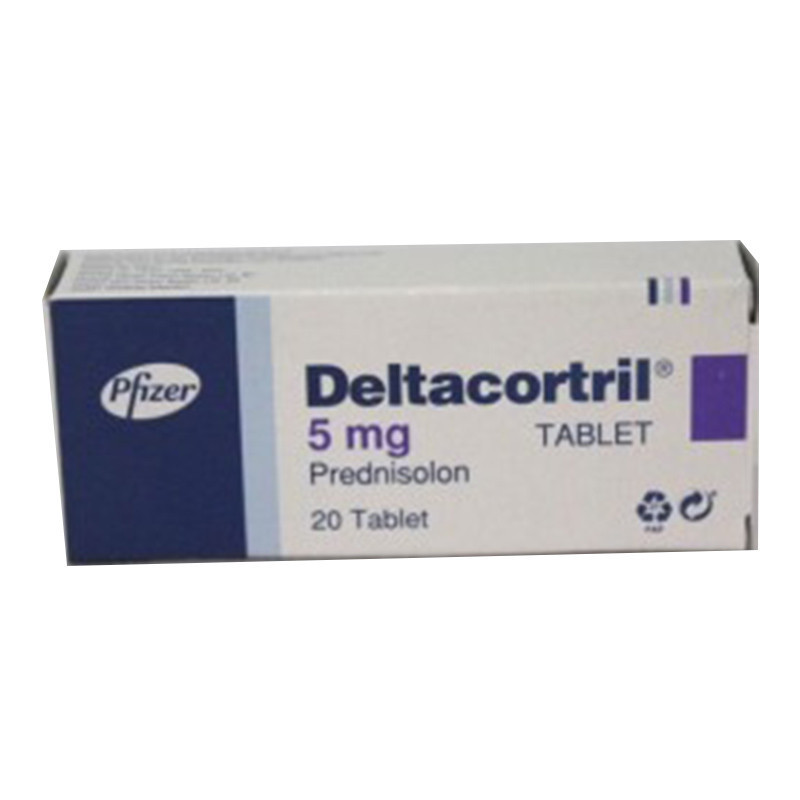
Deltacortril is a powerful glucocorticosteroid designed to expertly regulate leukocyte and tissue macrophage activity. By limiting leukocyte migration to inflamed areas and disrupting macrophages' phagocytic functions, Deltacortril effectively alleviates inflammation. It also stabilizes lysosomal membranes to reduce the presence of proteolytic enzymes during inflammatory responses, while minimizing capillary permeability linked to histamine release and suppressing fibroblast activity and collagen production.
This medication operates by inhibiting phospholipase A2, resulting in decreased production of prostaglandins and leukotrienes. Additionally, it suppresses the release of COX enzymes?particularly COX-2?further reducing prostaglandin synthesis, which is crucial for managing inflammation.
Deltacortril effectively lowers circulating lymphocytes (both T and B cells), monocytes, eosinophils, and basophils by redirecting them from the bloodstream to lymphoid tissues, while also inhibiting antibody formation. Furthermore, it reduces ACTH and beta-lipotropin release from the pituitary gland, without affecting circulating beta-endorphin levels, and inhibits TSH and FSH secretion.
When administered directly to blood vessels, Deltacortril displays a vasoconstrictive effect, enhancing its therapeutic capabilities.
With significant dose-dependent impacts on carbohydrate, protein, and fat metabolism, Deltacortril promotes gluconeogenesis and elevates amino acid uptake in the liver and kidneys, thereby boosting the activity of gluconeogenesis enzymes. In the liver, it enhances glycogen storage while facilitating glucose synthesis from protein metabolism products, ultimately raising blood glucose levels and stimulating insulin secretion.
While Deltacortril inhibits glucose absorption in adipose tissues, leading to increased lipolysis, the rise in insulin levels can ultimately promote lipogenesis, resulting in fat accumulation.
The drug also exhibits catabolic effects on lymphoid and connective tissues, muscle, adipose tissue, skin, and bone. Compared to hydrocortisone, Deltacortril?s impact on water and electrolyte metabolism is milder, promoting potassium and calcium loss while retaining sodium and fluid. Extended use of corticosteroids may lead to complications such as osteoporosis and Cushing's syndrome, particularly in children, where it can impede growth.
At high doses, Deltacortril may elevate brain tissue excitability and lower the convulsive threshold, potentially increasing hydrochloric acid and pepsin production in the stomach, which raises the risk of peptic ulcers.
When used systemically, Deltacortril's therapeutic benefits arise from its anti-inflammatory, antiallergic, immunosuppressive, and antiproliferative properties. For local applications, its effectiveness is attributed to its anti-inflammatory and vasoconstrictive actions.
Notably, Deltacortril is four times more potent than hydrocortisone in anti-inflammatory effects, while exhibiting about 60% less mineralocorticoid activity.
Indications for Deltacortril:
Deltacortril is indicated for both oral and parenteral administration in conditions such as rheumatism, rheumatoid arthritis, dermatomyositis, periarteritis nodosa, scleroderma, ankylosing spondylitis, asthma, acute and chronic allergic reactions, anaphylaxis, Addison's disease, acute adrenal insufficiency, adrenal-genital syndrome, liver disorders, hypoglycemia, lipid nephrosis, agranulocytosis, various leukemias, lymphomas, thrombocytopenic purpura, hemolytic anemia, chorea, and numerous dermatological conditions including pemphigus, eczema, pruritus, exfoliative dermatitis, psoriasis, seborrheic dermatitis, systemic lupus erythematosus (SLE), erythroderma, and hair loss.
For intra-articular administration, it is effective for chronic arthritis, post-traumatic arthritis, osteoarthritis in larger joints, and rheumatic joint destruction.
For infiltration into tissues, it is used for epicondylitis, tenosynovitis, bursitis, frozen shoulder, keloids, sciatica, Dupuytren's contracture, and other joint and soft tissue disorders.
In ophthalmology, Deltacortril is prescribed for allergies, chronic and atypical conjunctivitis, blepharitis, corneal inflammation with intact mucosa, acute and chronic anterior choroid inflammation, sclera and episcleritis, sympathetic eye inflammation, and post-injury or post-surgery care.
Dosage and Administration:
For adults requiring oral administration as part of replacement therapy, the initial dose is typically 20-30 mg, with a maintenance dose of 10-15 mg daily. Depending on the clinical scenario, starting doses may range from 15-100 mg per day, with maintenance doses between 5-15 mg daily, and should be tapered down gradually. For children, a starting dose of 1-2 mg/kg divided into 4-6 doses is advisable, with a maintenance dose of 3-6 mg/kg per day.
For intramuscular or intravenous administration, dosing frequency and duration should be tailored to individual patient needs.
For intra-articular administration, 25-50 mg is used for larger joints, 10-25 mg for medium-sized joints, and 5-10 mg for smaller joints. Tissue infiltration requires doses ranging from 5 mg to 50 mg, based on the condition's severity.
In ophthalmology, Deltacortril should be applied three times daily for a maximum of 14 days; in dermatology, it is effective when used once to three times daily.
Side Effects and Adverse Reactions:
Endocrine system: menstrual irregularities, adrenal suppression, Cushing's syndrome, pituitary-adrenal suppression, impaired carbohydrate tolerance, steroid-induced diabetes, growth retardation in children, and delayed sexual maturation.
Digestive system: nausea, vomiting, steroid-induced peptic and duodenal ulcers, pancreatitis, esophagitis, gastrointestinal bleeding, appetite changes, flatulence, and hiccups, with rare increases in liver transaminases and alkaline phosphatase.
Metabolic effects: negative nitrogen balance due to protein catabolism, increased calcium excretion leading to hypocalcemia, weight gain, and hyperhidrosis (excessive sweating).
Cardiovascular system: potassium depletion, hypokalemic alkalosis, arrhythmias, bradycardia, steroid myopathy, exacerbated heart failure symptoms, ECG changes consistent with hypokalemia, elevated blood pressure, and increased risk of thrombosis. Following an acute myocardial infarction, it may slow necrosis spread and scar tissue formation, posing a risk of heart muscle rupture.
Musculoskeletal system: inhibited growth and ossification in children (risking early epiphyseal closure) and osteoporosis, with rare occurrences of pathological fractures, necrosis of the shoulder head and femur, tendon ruptures, muscle weakness, steroid myopathy, and muscle wasting.
Central nervous system: headaches, increased intracranial pressure, confusion, disorientation, mood fluctuations, anxiety, insomnia, dizziness, vertigo, pseudo-tumors of the brain, and seizures.
Vision: risk of posterior subcapsular cataracts, increased intraocular pressure affecting the optic nerve, corneal trophic changes, exophthalmos, and susceptibility to secondary infections (bacterial, fungal, and viral).
Dermatological effects: small red spots (petechiae), bruising (ecchymosis), thinning and fragility of the skin, pigmentation changes, acne, stretch marks, and heightened risk of skin infections like pyoderma and candidiasis.
Immunosuppressive reactions: slower healing rates and reduced resistance to infections, with rare cases of anaphylactic and allergic reactions, skin pigmentation changes, tissue atrophy, exacerbation of pre-existing conditions, sterile abscess formation, and complications from intrasinovial injections potentially leading to blindness.