
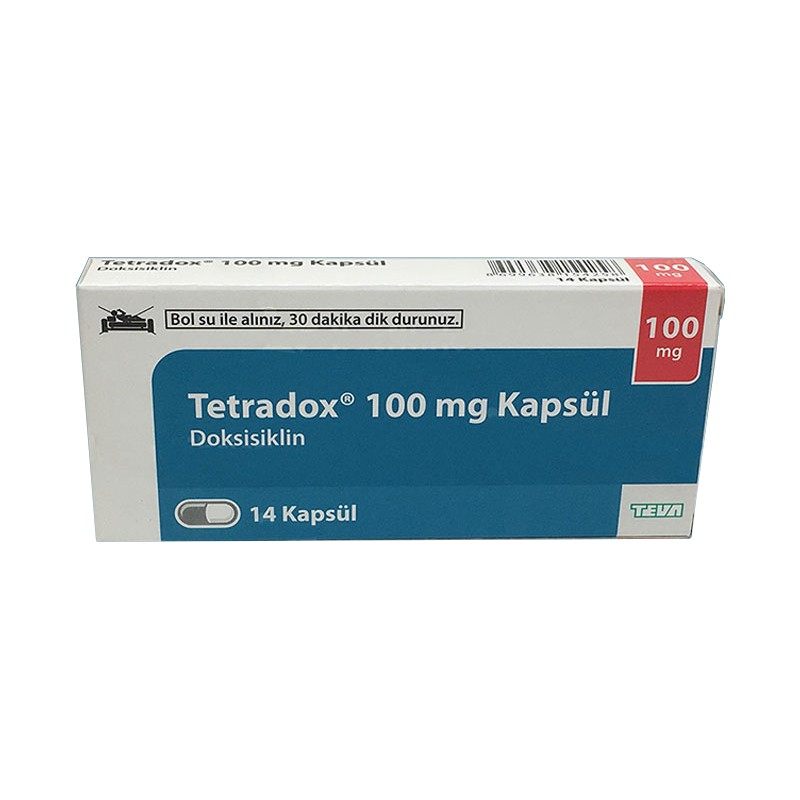
MANUFACTURER
Teva
WAREHOUSE
International Warehouse 2
ACTIVE INGREDIENT
Doxycycline
What is Doxycycline?
Doxycycline is a powerful antibiotic belonging to the tetracycline class, designed to effectively combat a wide range of bacterial infections within the body.
This versatile medication is commonly prescribed for various bacterial infections, including but not limited to acne, urinary tract infections, intestinal infections, respiratory infections, eye infections, gonorrhea, chlamydia, syphilis, and gum disease (periodontitis). Additionally, doxycycline can help treat blemishes and acne-like lesions associated with rosacea, though it does not reduce facial redness from this condition.
Furthermore, certain formulations of doxycycline serve as preventative measures against malaria, manage anthrax, and address infections caused by mites, ticks, or lice.
Important Information
Before taking doxycycline, ensure you do not have any known allergies to tetracycline antibiotics. For children under 8 years old, doxycycline should only be used in severe or life-threatening situations, as it may result in permanent discoloration of their teeth. Pregnant individuals should also avoid doxycycline due to potential risks to the unborn baby, including lasting tooth discoloration as the child grows.
Disclose your full medical history to your healthcare provider, especially if you have:
- liver disease
- kidney disease
- asthma or sulfite allergies
- increased intracranial pressure
- or if you are currently taking isotretinoin, seizure medications, or blood thinners such as warfarin.
If you are being treated for chlamydia, your doctor may conduct tests to rule out other sexually transmitted infections, including gonorrhea. It is crucial to inform your doctor if you are pregnant or become pregnant while on this medication, as doxycycline can affect fetal bone and tooth development.
Doxycycline may also reduce the effectiveness of hormonal birth control methods. Consult your healthcare provider about alternative non-hormonal contraceptive options, such as condoms or diaphragms, to prevent unintended pregnancy.
During breastfeeding, it's advisable to avoid doxycycline, as it may transfer to breast milk and impact an infant's dental and bone development.
How to Take Doxycycline
Always take doxycycline exactly as prescribed by your healthcare provider, adhering to all instructions on your prescription label. Do not adjust the dosage or duration without consulting your doctor.
Swallow doxycycline with a full glass of water and stay well-hydrated throughout your treatment. Most brands can be taken with food or milk to minimize stomach upset; however, be aware that specific brands may have different instructions. For instance, Oracea should be taken on an empty stomach at least one hour before or two hours after meals.
If swallowing pills is challenging, you can open a regular capsule or break a tablet to mix the medication with a spoonful of applesauce. Consume it immediately without chewing, followed by a full glass (8 ounces) of cool water. Never crush, break, or open delayed-release capsules or tablets; always swallow them whole.
Some doxycycline tablets may need to be split to achieve the correct dose, so follow your healthcare provider's instructions carefully. For liquid doses, always use the provided dosing syringe, special measuring spoon, or medication cup. If you lack a measuring tool, don't hesitate to ask your pharmacist for assistance.
If using doxycycline as a preventive measure against malaria, start taking it 1-2 days before entering a malaria-prone area, continuing daily during your stay and for at least four weeks afterward. Additionally, employ protective clothing, insect repellent, and mosquito nets for further protection.
Complete the entire course of prescribed doxycycline, even if symptoms improve before the infection fully resolves. Skipping doses can lead to antibiotic resistance and will not treat viral infections like the flu or common cold.
Before any surgical procedures, inform your surgeon that you are currently taking doxycycline. Store the medication at room temperature, away from moisture, heat, and light. Properly dispose of any unused doxycycline after the expiration date on the label to avoid potential harm to your kidneys.