
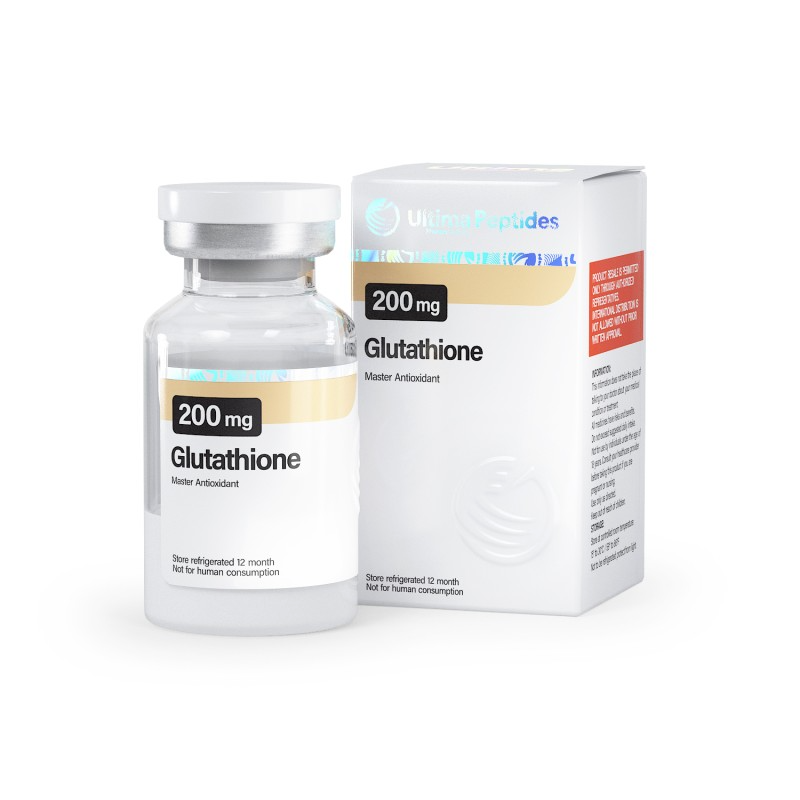
Ultima-Glutathione
- Brand: Ultima Pharmaceuticals - US
- Product Code: Ultima-Glutathione
- Availability: In Stock
-
$90.00
MANUFACTURER
Ultima Pharmaceuticals - USA
WAREHOUSE
USA Warehouse 5
SUBSTANCE
Glutathione
What is Glutathione?
Glutathione is a powerful antioxidant composed of three amino acids: cysteine, glutamate, and glycine. This small yet mighty molecule plays an essential role in detoxifying harmful substances in the liver. It also combats oxidative stress by neutralizing free radicals?reactive oxygen-containing molecules that can damage cellular structures, including DNA.
Glutathione exists in two forms: reduced (GSH) and oxidized (GSSG). Maintaining a healthy balance between these two forms is crucial for optimal cellular function. Healthy cells typically have a GSH:GSSG ratio exceeding 100, while stressed cells see this ratio drop significantly, between 1 and 10.
What are the Health Benefits of Glutathione?
- Boosts the immune system and may possess antibacterial properties.
- Crucial for liver detoxification, converting toxic substances into safe, non-toxic compounds for elimination.
- Promotes lung health by reducing inflammation and regulating surfactant for optimal alveoli function.
- Has shown potential in improving lung function in cystic fibrosis patients.
- May enhance athletic performance by reducing muscle fatigue.
- Helps lighten sun-damaged skin and diminish the appearance of wrinkles and signs of aging.
How to Check for Glutathione Deficiency
Glutathione levels can vary based on diet and overall health. It's advisable to work with a functional or integrative medicine provider to interpret test results and identify potential deficiencies and their root causes.
- Assess glutathione levels through a simple blood test.
- The Organic Acids Test (OAT) from Great Plains Laboratory analyzes various metabolites in urine, such as pyroglutamic acid, which may rise during poor nutrition, stress, or oxidative stress, indicating depleted glutathione stores.
- The Advanced Oxidative Stress Profile provides an in-depth assessment of reduced, oxidized, and total glutathione, along with other oxidative stress markers.
- While there is limited data on zinc levels dropping due to prolonged glutathione supplementation, total serum zinc can be evaluated if needed.
- Keep in mind that total serum zinc measurements may be misleading if albumin levels are low or inflammation is present.
- Common markers for inflammation include Ferritin, ESR, and CRP.
- If chronic zinc deficiency is suspected, a red blood cell (RBC) zinc test may offer a more accurate assessment.
How Much Glutathione Supplementation Is Safe?
Research on intravenous glutathione has explored various dosages. One study administered a single intravenous dose of 1200 mg, while another found that 1400 mg three times a week for four weeks was well-tolerated without adverse effects. It's crucial that intravenous glutathione be administered by a qualified healthcare professional.
How to Supplement Glutathione?
Glutathione can be delivered through intravenous therapy, allowing for higher concentrations to enter the bloodstream, potentially benefiting specific medical conditions.
Are There Any Risks to Supplementing Glutathione?
Most studies on glutathione supplementation examine short-term effects, leaving long-term risks and benefits less understood.
Some possible side effects of glutathione supplementation include:
- Asthma: nebulized glutathione may cause airway constriction, coughing, and shortness of breath in asthmatic individuals.
- Zinc deficiency: some sources suggest a correlation between long-term glutathione supplementation and lowered zinc levels, though human studies are limited.
- The safety of glutathione supplementation during pregnancy or breastfeeding remains unexamined.
Summary
Glutathione is a vital antioxidant that protects cells from damage caused by free radicals and toxins while supporting immune health. Low levels of glutathione have been linked to various health concerns.
The efficacy of glutathione supplementation can vary depending on the health issue being addressed. Collaborating with an integrative or functional medicine practitioner is the best way to ensure your supplementation strategy is safe, evidence-based, and tailored to your specific needs.