
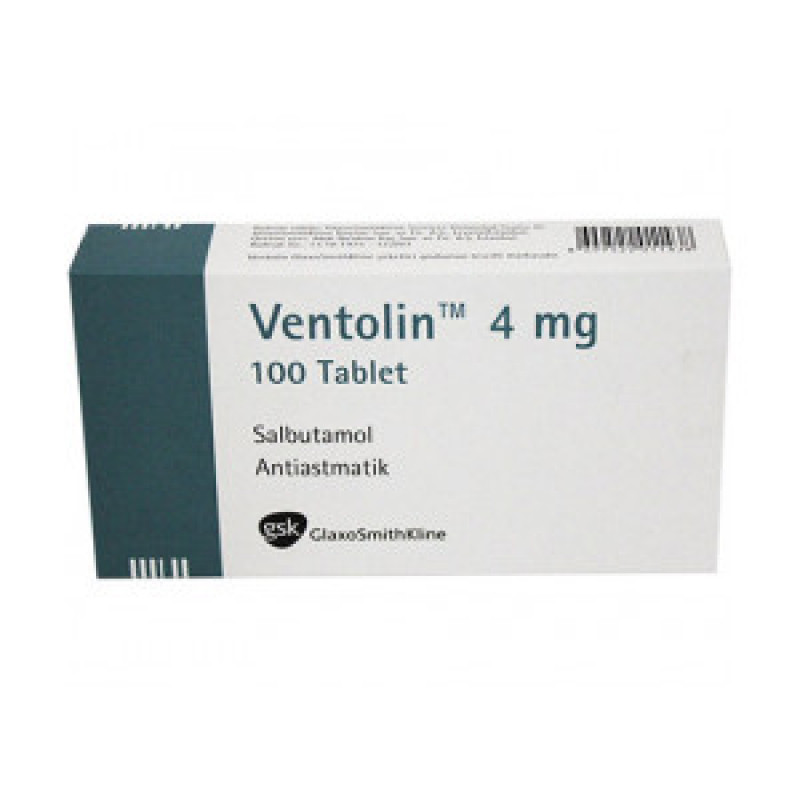
ACTIVE HALF-LIFE
6 Hours
CLASSIFICATION
Beta-2-Agonist
DOSAGE
10-20 mg/day
ACNE
No
WATER RETENTION
No
HBR
No
HEPATOTOXICITY
No
AROMATIZATION
No
MANUFACTURER
GSK
WAREHOUSE
International Warehouse 2
SUBSTANCE
Salbutamol
Discover Ventolin, also known as albuterol, a powerful medication designed to open up medium and large airways in the lungs. This effective treatment is commonly prescribed for asthma (including acute asthma attacks), exercise-induced bronchoconstriction, and chronic obstructive pulmonary disease (COPD). Additionally, Ventolin can help manage elevated potassium levels in the bloodstream. Available in inhaler, nebulizer, pill, and intravenous forms, the inhaled version acts swiftly, typically within 15 minutes, delivering relief that lasts between two to six hours.
While Ventolin is generally well tolerated, some users may experience common side effects such as shakiness, headaches, rapid heartbeat, dizziness, and anxiety. More serious side effects can include worsening bronchospasm, irregular heartbeat, and low potassium levels. Although it can be used during pregnancy and breastfeeding, its safety profile is not fully established. As a short-acting ?2 adrenergic receptor agonist, Ventolin works by relaxing smooth muscles in the airways, providing essential relief.
Medical Uses
Ventolin is primarily used to treat bronchospasm caused by various factors, including allergic asthma and exercise-induced issues, as well as chronic obstructive pulmonary disease. It is a staple in rescue inhalers, offering quick relief during asthma attacks. Additionally, salbutamol has obstetric applications, functioning as a tocolytic to relax uterine muscles and potentially delay premature labor. Although it was once preferred over other agents like atosiban and ritodrine, nifedipine?a calcium channel blocker?has become more popular due to its effectiveness and convenience in oral form.
Moreover, Ventolin is beneficial in acute hyperkalemia treatment, as it helps transport potassium into cells, thereby lowering blood potassium levels.
Adverse Effects
Common side effects may include fine tremors, anxiety, headaches, muscle cramps, dry mouth, and palpitations. Other potential symptoms can involve tachycardia, arrhythmia, skin flushing, and rare instances of myocardial ischemia, along with disturbances in sleep and behavior. Serious concerns, while less common, include allergic reactions, paradoxical bronchospasm, hives, angioedema, hypotension, and fainting. Prolonged use or high doses may lead to hypokalemia, posing risks for those with renal failure or those on specific diuretics and xanthine derivatives.
Keep this medication out of reach of children. Intended for adult use only.
Warnings: