
ACTIVE HALF-LIFE
6 Hours
CLASSIFICATION
Beta-2-Agonist
DOSAGE
10-20 mg/day
ACNE
No
WATER RETENTION
No
HBR
No
HEPATOTOXICITY
No
AROMATIZATION
No
MANUFACTURER
GSK
WAREHOUSE
International Warehouse 2
SUBSTANCE
Salbutamol
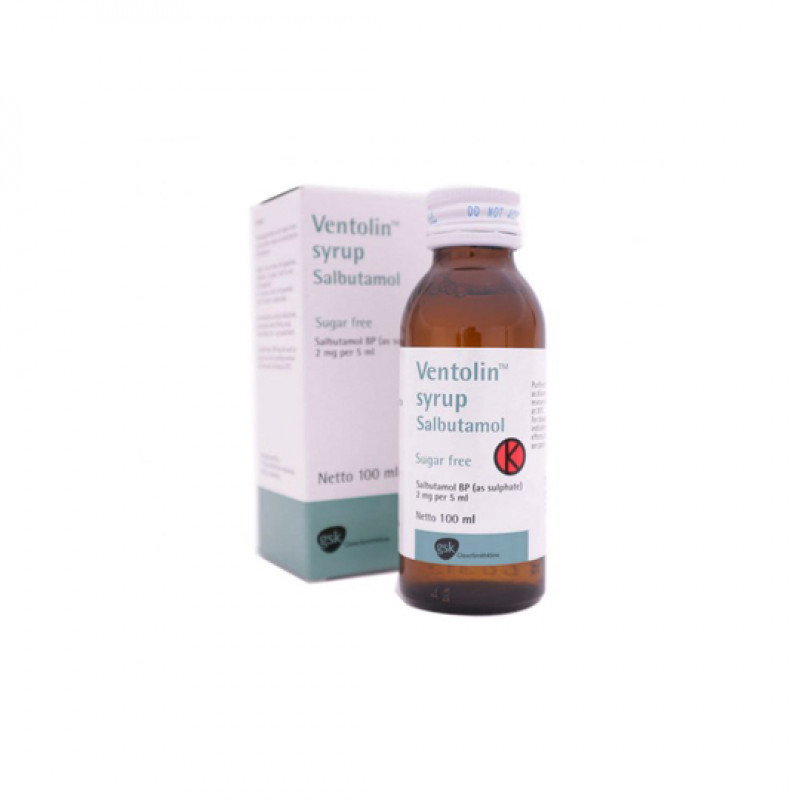
Introducing Ventolin, also known as albuterol, a powerful medication designed to relax the medium and large airways in your lungs. It is primarily prescribed for the effective management of asthma, addressing not only asthma attacks but also exercise-induced bronchoconstriction and chronic obstructive pulmonary disease (COPD). Additionally, Ventolin is beneficial in regulating elevated potassium levels in the blood. Available in inhaler or nebulizer forms, as well as in pill and intravenous solution formats, the inhaled version typically takes effect within just 15 minutes, providing relief that can last from two to six hours.
While Ventolin is generally well-tolerated, some common side effects may include shaking, headaches, rapid heart rate, dizziness, and feelings of anxiety. More serious reactions could involve worsening bronchospasms, irregular heart rhythms, and low potassium levels. Although it can be used during pregnancy and breastfeeding, it?s important to consult your healthcare provider, as safety isn?t entirely guaranteed. As a short-acting ?2 adrenergic receptor agonist, Ventolin works by relaxing the smooth muscles in the airways.
Medical UsesVentolin is your go-to solution for alleviating bronchospasms from various triggers, such as allergic asthma and exercise-induced bronchoconstriction, making it a staple in treating chronic obstructive pulmonary disease. Often found in rescue inhalers, it serves as a quick-acting bronchodilator for asthma attacks. Additionally, in obstetric settings, intravenous salbutamol may be used as a tocolytic to ease uterine smooth muscle tension and postpone premature labor. Although its use has been largely replaced by the more effective calcium channel blocker nifedipine for tocolysis, it remains a valuable option in specific cases.
Moreover, Ventolin is effective in addressing acute hyperkalemia by facilitating the movement of potassium into cells, effectively lowering blood potassium levels.
Adverse EffectsCommon side effects may include mild tremors, anxiety, headaches, muscle cramps, dry mouth, and palpitations. Other potential symptoms can range from tachycardia and arrhythmia to skin flushing and rare instances of myocardial ischemia, as well as alterations in sleep and behavior. Serious, albeit rare, reactions may include allergic responses such as paradoxical bronchospasms, urticaria (hives), angioedema, hypotension, and fainting. Prolonged or excessive use may lead to hypokalemia, particularly concerning for individuals with kidney issues or those taking specific diuretics and xanthine derivatives.
Please keep out of reach of children. For adult use only.
Warnings: